
Abutilon bidentatum
Abutilon bidentatum
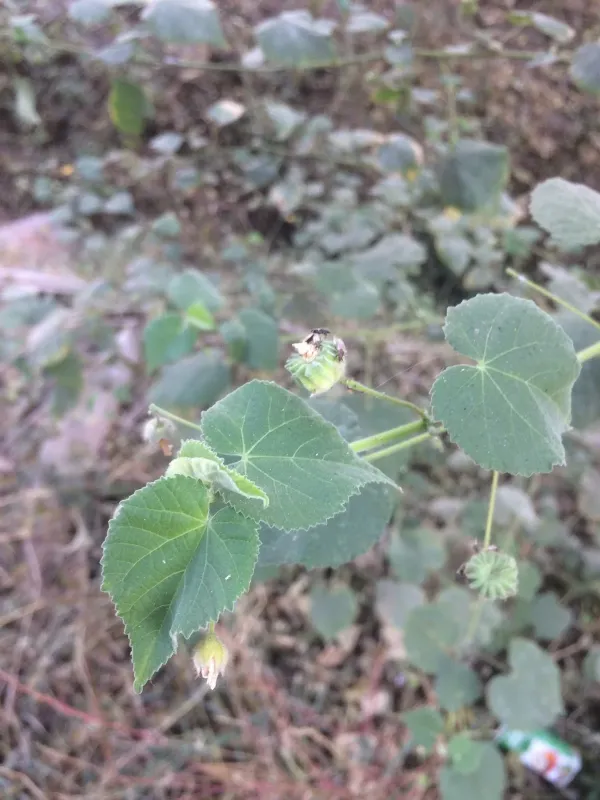
Description
Growing requirements
Abutilon bidentatum is a plant species belonging to the Malvaceae family. Originally native to tropical regions of Africa and Asia, it is recognized for its fibrous stems and potential utility in textile applications.
The plant thrives in well-draining, nutrient-rich soils with a neutral pH level. It requires significant exposure to direct sunlight and high temperatures to achieve maximum biomass production during its growth cycle.
Climatic requirements are specific to warm environments; therefore, in temperate regions, it is often treated as an annual crop. It shows considerable resilience once established but performs best under consistent, warm conditions.
Botanically, it features cordate leaves with characteristic serrated (bidentate) margins and yellow flowers. The growth habit is generally upright, reaching heights that require adequate spacing to prevent inter-plant competition.
Agricultural practices involve deep plowing and seedbed preparation to facilitate root penetration. Proper soil aeration is essential to prevent physiological stress, especially during the early stages of development.
Main diseases and pests
Spider mites represent a primary pest threat, particularly during dry and hot weather conditions. These pests feed on the undersides of leaves, causing chlorosis and potentially reducing overall yield.
Whiteflies are another significant concern for Abutilon species. They not only cause direct damage by feeding on sap but also serve as vectors for various plant viruses that can devastate a crop.
Root rot, often caused by Phytophthora or Pythium species, poses a major risk in waterlogged soils. Ensuring excellent drainage is the most effective preventative measure against these soil-borne pathogens.
Powdery mildew can occur when humidity levels are high and air circulation is poor within the field. Maintaining sufficient row spacing and removing infected plant debris helps manage the spread of spores.
Aphids can cause significant growth stunting if left unchecked, especially in the tender growing tips. Monitoring for these insects should be a routine part of the integrated pest management strategy.