
Abutilon exstipulare
Abutilon exstipulare
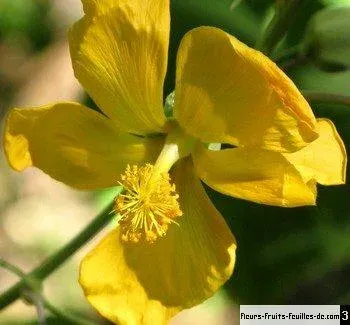
Description
Growing requirements
Abutilon exstipulare is a perennial flowering shrub belonging to the Malvaceae family. Originating from the tropical landscapes of South America, this plant is valued for its unique floral morphology and adaptability to controlled environment conditions.
The plant thrives in regions where climate conditions mimic its native tropical habitat. It requires bright, indirect sunlight to maintain its physiological functions and promote steady growth. Exposure to intense, direct afternoon sun should be avoided to prevent foliar damage.
Soil requirements for this species include well-draining, nutrient-rich substrates with a neutral to slightly acidic pH level. The plant is highly sensitive to waterlogging, which often leads to root asphyxiation and subsequent decay of the vascular system.
Climatic requirements are strict: Abutilon exstipulare is a cold-sensitive species that cannot withstand freezing temperatures. Therefore, it is predominantly grown in greenhouses or as a container-bound ornamental plant that can be moved indoors during colder seasons.
Agricultural practices focus on regular moisture management and balanced fertilization. During the active growing season, application of phosphorus-rich fertilizers is recommended to encourage consistent flowering and sustained vitality throughout the development cycle.
Main diseases and pests
Common pests affecting this species include spider mites and whiteflies, especially in greenhouse environments with low humidity. These pests feed on sap, which can cause significant yellowing and eventual leaf drop if left unmanaged.
Fungal diseases, such as powdery mildew, are frequently observed when ventilation is inadequate. Ensuring proper spacing between plants is crucial for creating an environment that discourages the germination of fungal spores on leaf surfaces.
Management of pest populations often requires an integrated approach. Utilizing neem oil or specialized horticultural soaps can effectively control mite populations while minimizing environmental impact within the growing space.
Root rot is the most significant threat to the longevity of the plant, typically caused by over-irrigation. It is essential to ensure that the substrate surface dries out slightly between watering sessions to maintain root health and oxygen exchange.
Routine inspection of the plant's health is necessary to detect early symptoms of distress. Removing any dead or infected tissue promptly helps in preventing the systemic spread of pathogens across the plant community.