
Abutilon eremitopetalum
Abutilon eremitopetalum
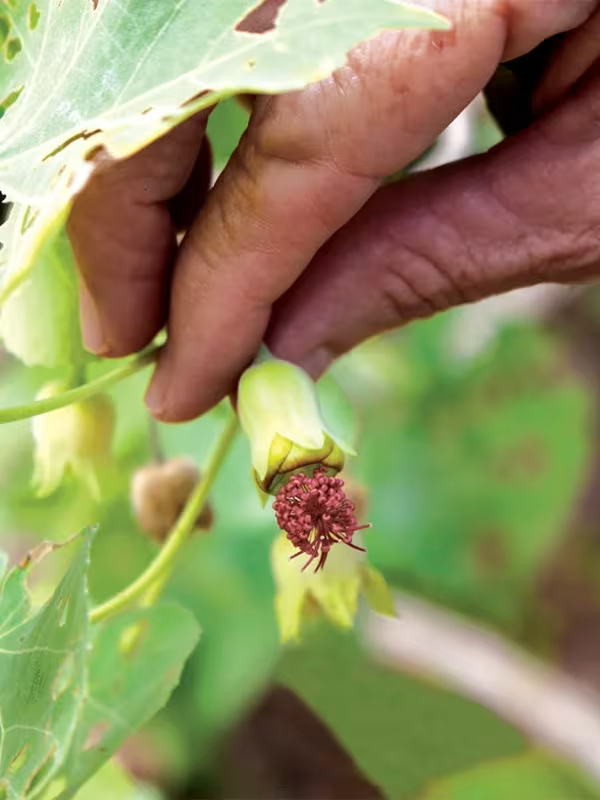
Description
Growing requirements
Abutilon eremitopetalum is a rare and endangered shrub species belonging to the Malvaceae family. It is strictly endemic to the island of Lanai in the Hawaiian archipelago, where it thrives in specific ecological niches.
This species is characterized by its unique flower structure and lush, heart-shaped foliage. As a tropical plant, it demands a climate that mirrors its native habitat, requiring constant warmth and protection from frost.
Cultivation requirements involve a well-draining potting medium that retains enough moisture without becoming waterlogged. A substrate composed of peat moss, pine bark, and perlite is often ideal for maintaining root health.
Light exposure should be bright but filtered. Direct sun, especially in hot afternoons, can cause scorching on the leaves, which significantly impacts the aesthetic and physiological health of the plant.
Regular fertilization is necessary during the growing season to support its moderate growth rate. Organic liquid fertilizers, applied sparingly, provide the essential nutrients required for consistent blooming and vigorous growth.
Main diseases and pests
Pests are a primary concern for Abutilon eremitopetalum in cultivation. Spider mites are common adversaries, thriving in the warm, dry indoor air typical of greenhouse environments during the winter months.
Mealybugs tend to hide in leaf axils and stems, making them difficult to detect until an infestation becomes severe. Regular monitoring and manual removal are recommended to keep populations in check.
Aphids can target young, tender leaves, causing curling and stunted growth. The use of insecticidal soaps is generally effective and minimizes the risk of damage to the delicate foliage of the plant.
Root rot is a prevalent disease caused by overwatering or poorly draining soil. Ensuring that the pot has adequate drainage holes is essential to prevent water accumulation and fungal proliferation.
Due to its rarity, any sign of pathogen infection should be addressed immediately. Implementing a strict quarantine procedure for new plants is crucial to maintain the health of existing botanical collections.