
Abutilon abutiloides
Abutilon abutiloides
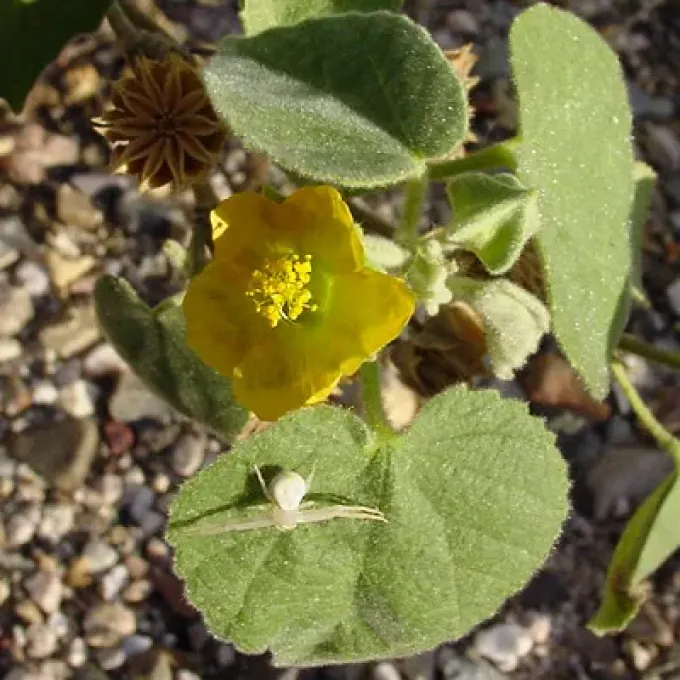
Description
Sowing dates
Abutilon abutiloides is a plant species belonging to the Malvaceae family. It is native to tropical and subtropical parts of the Americas, known for its rapid vegetative growth and fiber-producing potential.
The sowing time is strictly determined by soil temperature and the threat of frost. In its native range, it can be sown once temperatures consistently stay above 15 degrees Celsius.
Seedlings are often raised in nurseries or controlled environments before being transplanted into the field. This method ensures uniform crop establishment and higher survival rates in early growth stages.
The optimal sowing depth is relatively shallow, typically between 1 to 2 centimeters, to allow for efficient germination. Seed spacing must be managed to allow for adequate air circulation.
Biological development of the plant relies on a consistent day-night temperature rhythm, which supports the healthy lignification of stems throughout the growing season.
Growing requirements
Abutilon abutiloides requires full sun exposure to thrive. Shade causes the plant to become etiolated, which drastically reduces the quality and quantity of the expected biomass.
Soil requirements include high permeability and moderate fertility. The species is sensitive to waterlogging, which often leads to root rot in poorly drained agricultural fields.
Water management is critical during the initial growth phases. Maintaining a balanced soil moisture level promotes deep root development, making the plants more resilient later.
The ideal pH range for this crop is between 6.0 and 7.0. Soils with high acidity levels should be amended with lime prior to planting to ensure nutrient bioavailability.
Regular maintenance, including weeding and soil aeration between rows, is necessary to prevent nutrient competition and promote optimal growth conditions for the crop.
Main diseases and pests
The crop is vulnerable to common pests such as spider mites, especially in warm and arid environments where these pests reproduce rapidly on the underside of leaves.
Aphid infestations are also frequently observed, causing leaf curling and transmitting viral diseases that can stunt the plant's overall growth and development.
Fungal pathogens like Fusarium species pose a significant risk to the root system. These infections are often exacerbated by poor drainage and excessive soil humidity.
Integrated Pest Management (IPM) strategies are recommended to mitigate threats. This includes encouraging natural predators and avoiding chemical overuse in the field.
Proper sanitation of farming equipment is essential to prevent the spread of soil-borne pathogens from one field to another throughout the farming cycle.