
Abutilon pseudocleistogamum
Abutilon pseudocleistogamum
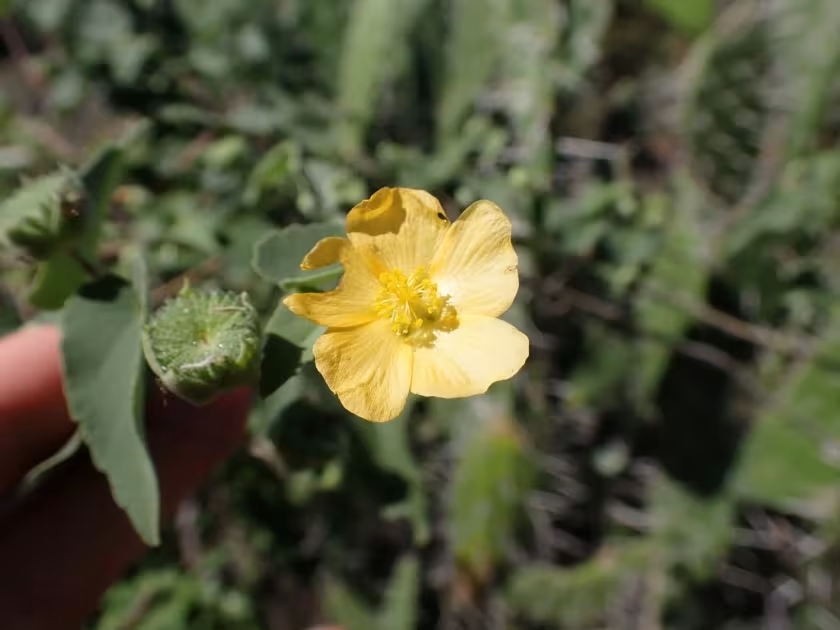
Description
Sowing dates
Abutilon pseudocleistogamum belongs to the Malvaceae family. This species is recognized for its unique biological characteristics and is increasingly studied in professional horticulture for its adaptive traits.
Propagation is typically carried out via seeds, which should be sown in a sterile, well-draining medium. Maintaining a consistent temperature of 21–23 degrees Celsius is essential for successful germination.
Seeds should be covered lightly with substrate to ensure adequate contact, while maintaining high humidity levels in the initial stages. Germination usually occurs within 10 to 14 days under optimal conditions.
Seedlings require sufficient space and proper aeration once they develop the first true leaves to prevent damping-off diseases. Early spacing is a key practice for maintaining vigorous plant development.
Transitioning seedlings to larger pots or outdoor plots should only occur once the risk of frost has passed, as the species is highly sensitive to cold temperatures in its juvenile phase.
Growing requirements
The crop requires fertile, loamy soil with a neutral pH to perform optimally. Improving soil structure with organic matter can significantly enhance nutrient availability and water retention capacity.
Sunlight exposure is crucial for Abutilon pseudocleistogamum. While it can tolerate some shade, full sun or bright dappled light promotes better branching and healthier foliage development.
Watering needs must be managed carefully. While the plant requires regular hydration, the soil must be allowed to dry slightly at the surface to prevent oxygen depletion in the root zone.
Nutrient management involves balanced NPK fertilization. Applying slow-release fertilizers during the planting phase ensures a steady supply of essential nutrients throughout the peak growing season.
Pruning is recommended to maintain the plant's shape and encourage denser growth. Regular pinching of the growing tips helps in stimulating lateral bud development and increasing flowering potential.
Main diseases and pests
Spider mites are the most common pest during hot and dry conditions. Regular monitoring of the underside of leaves is necessary to detect early infestations and apply corrective measures.
Whiteflies can also cause significant damage by depleting plant resources and spreading viral pathogens. Integrated pest management, including yellow sticky traps, is highly recommended.
Root rot is the primary fungal threat, usually caused by overwatering or poor drainage. Ensuring that pots or fields have excellent drainage capacity is the most effective preventative strategy.
Botrytis, or gray mold, may affect plants in high-humidity environments with stagnant air. Increasing ventilation is critical to minimizing the risk of this fungal disease.
Effective management strategies require a combination of sanitation, proper environmental control, and targeted interventions when biological thresholds are exceeded.