
Persian abutilon
Abutilon persicum
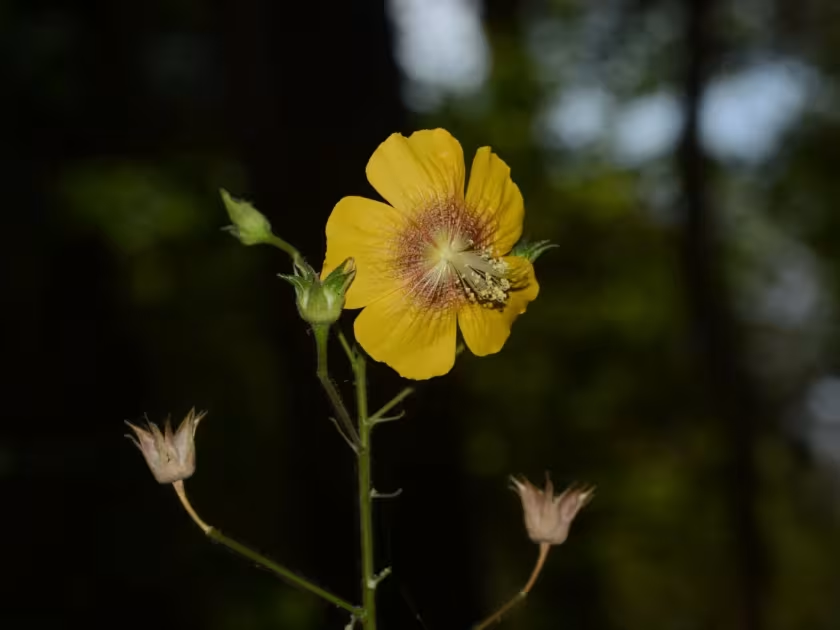
Description
Sowing dates
Persian abutilon is a member of the Malvaceae family that requires warm conditions for successful germination and early development, typically starting in spring.
Seeds should be sown in a high-quality, well-draining seed-starting mix at a shallow depth to ensure they have enough light to trigger the sprouting process.
Maintaining a consistent soil temperature of approximately 22 degrees Celsius is essential for achieving a high percentage of germination within a short time frame.
Once seedlings have developed two sets of true leaves, they should be carefully transplanted into larger pots to prevent root crowding and encourage vigorous growth.
Proper spacing is crucial if the plants are being moved outdoors, as it ensures adequate airflow and light penetration, which are vital for healthy canopy development.
Growing requirements
This species thrives in locations with full sun to partial shade, requiring at least six hours of direct sunlight daily to maintain robust growth and structural integrity.
The ideal soil profile for cultivation is a fertile, humus-rich loam with excellent drainage characteristics to prevent waterlogging and root rot issues.
Watering frequency should be adjusted based on the growth stage; the plant prefers evenly moist soil but can suffer if left sitting in water for prolonged periods.
Nutrient requirements are moderate, with a balanced NPK fertilizer applied during the active growing season to support both vegetative growth and development.
The plant benefits significantly from regular pruning, which helps maintain a desirable shape, encourages bushiness, and removes any dead or damaged stems.
Main diseases and pests
The most common pests affecting this plant include spider mites and whiteflies, both of which thrive in indoor or greenhouse environments with low humidity.
Fungal pathogens can occasionally cause root rot if the growing medium is kept overly saturated, leading to a decline in plant vigor and yellowing foliage.
Effective management includes maintaining optimal humidity levels and providing good ventilation to discourage the colonization of pests and disease-causing fungi.
Organic or chemical control measures, such as neem oil or systemic insecticides, should be used as soon as the first signs of infestation are detected.
Preventative cultural practices, such as sanitizing gardening tools and monitoring plant health regularly, are the best methods for maintaining a disease-free crop.