
Abutilon pauciflorum
Abutilon pauciflorum
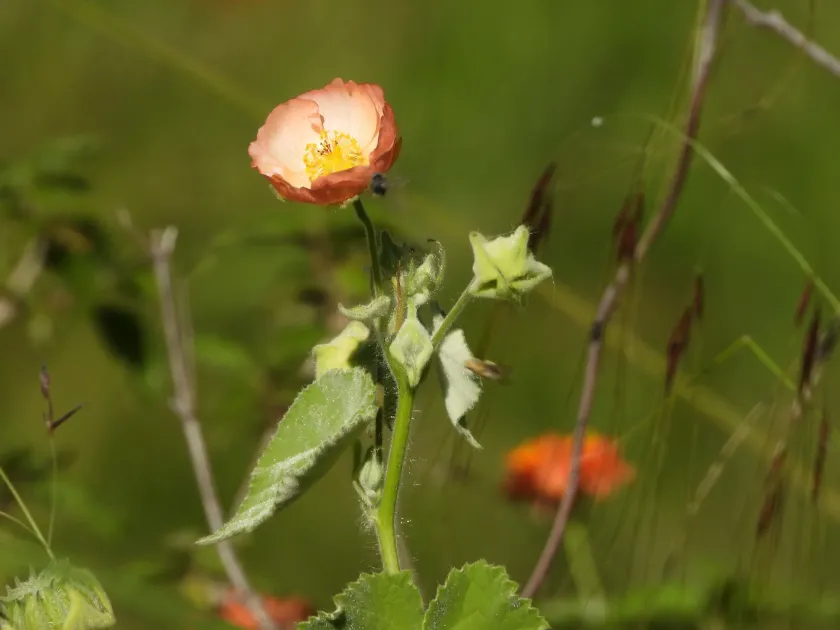
Description
Sowing dates
Abutilon pauciflorum is typically propagated from seeds sown in controlled environments such as greenhouses during late winter or early spring.
The sowing process should ideally commence in February or March to ensure the seedlings are robust enough for outdoor transition once temperatures permit.
Seed preparation, including soaking or light scarification, is highly recommended to overcome the physical dormancy of the seed coat and ensure germination.
Seeds are placed in a light, sterile potting mix at a depth of approximately 0.5 to 1 centimeter and covered to maintain humidity levels.
Consistency in temperature, ideally maintained between 22 and 25 degrees Celsius, is vital for achieving optimal germination rates within three weeks.
Growing requirements
As a member of the Malvaceae family, Abutilon pauciflorum is naturally adapted to tropical and subtropical climates, requiring warmth for consistent growth.
The crop thrives in well-draining, nutrient-rich soils with a slightly acidic to neutral pH, which is essential for maintaining healthy root development.
High levels of bright, indirect sunlight are required for the plant to thrive, though protection from intense midday sun is necessary in hot climates to prevent leaf scorching.
Moisture management is a critical aspect of cultivation; the soil should be kept consistently moist but never waterlogged to avoid root rot issues.
Regular fertilization with balanced NPK formulas throughout the growing season helps support the metabolic functions and overall development of the plant.
Main diseases and pests
Common pests affecting Abutilon pauciflorum include spider mites and whiteflies, which can proliferate rapidly in sheltered growing environments.
Aphids represent a frequent threat, often congregating on tender new growth and causing curling or yellowing of the foliage if left uncontrolled.
Fungal issues such as powdery mildew are common in environments with poor air circulation, necessitating improved ventilation and appropriate fungicide application.
Root rot, driven by stagnant water in the substrate, poses a significant risk to the health of the plant, making drainage a priority for agronomists.
Integrated pest management strategies, utilizing both biological and chemical controls, are advised to maintain plant health throughout the production cycle.