
Abutilon oxycarpum
Abutilon oxycarpum
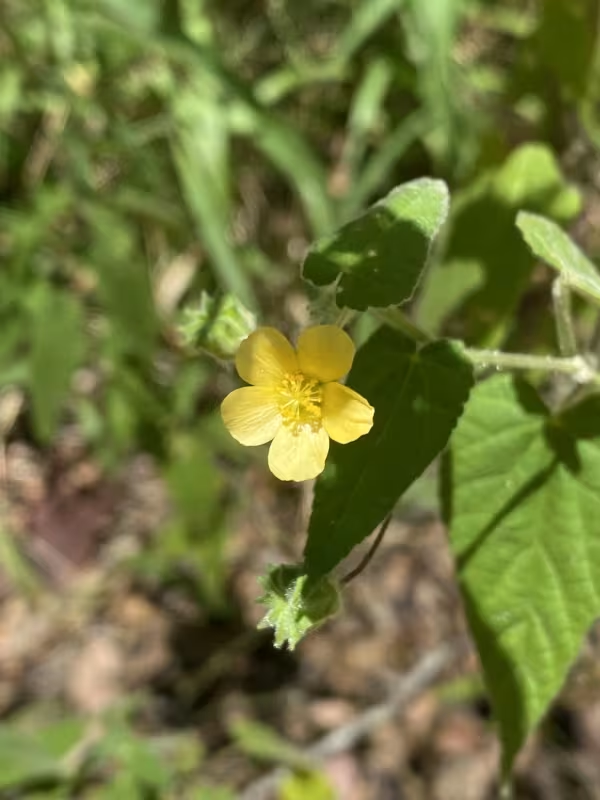
Description
Growing requirements
Abutilon oxycarpum is a perennial plant species belonging to the Malvaceae family. Native to the arid and semi-arid regions of Australia, this species is well-adapted to surviving in harsh, low-rainfall environments.
Botanically, it presents as a subshrub with velvet-textured foliage and characteristic bell-shaped flowers. Its defining feature, the sharp-tipped fruit, distinguishes it from other species within the diverse Abutilon genus.
The crop thrives in sunny, well-drained soil conditions. It exhibits significant drought tolerance, making it an interesting candidate for xeriscaping, though it requires specific light levels to maintain healthy growth cycles.
Regarding climate, Abutilon oxycarpum is strictly suited for frost-free environments. In regions with freezing winters, it must be managed as a container plant or grown within controlled greenhouse conditions to survive.
Economically, the plant is primarily utilized for its aesthetic appeal in landscape design and as a genetic resource for breeding programs. Its fiber-producing potential is also a subject of study among those researching Malvaceae biological traits.
Main diseases and pests
Typical pests affecting this crop in controlled environments include spider mites and whiteflies. These pests are highly resilient and can colonize the plant quickly if humidity levels are not managed correctly.
Pathogenic threats include powdery mildew and various root rot fungi caused by overwatering. Ensuring proper drainage and adequate airflow around the base of the plant is essential to mitigate these biological risks.