
Abutilon mauritianum
Abutilon mauritianum
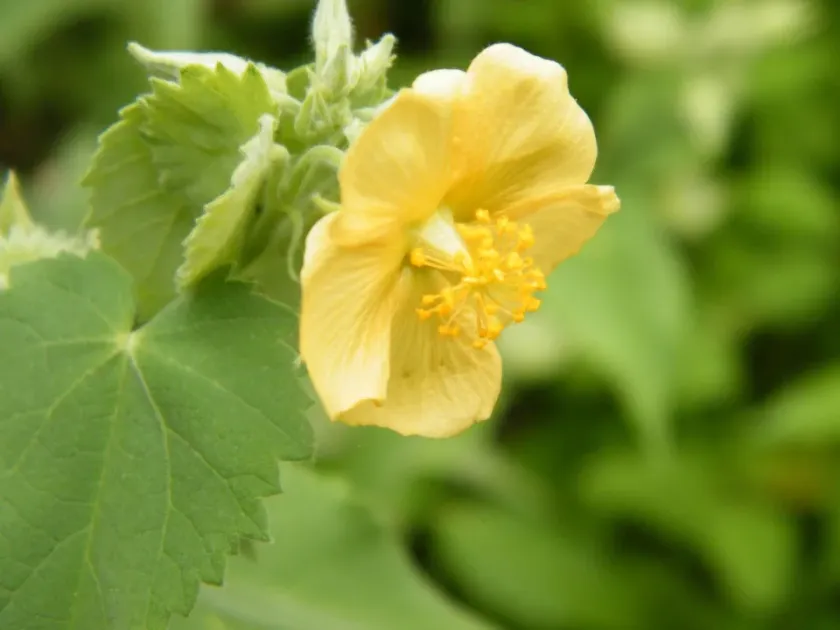
Description
Sowing dates
Abutilon mauritianum is a heat-loving crop, which dictates that sowing should only occur once soil temperatures consistently exceed 15 degrees Celsius at a depth of 10 centimeters.
Optimal planting involves using a row-based sowing method with row spacing of 45-60 centimeters to ensure adequate airflow and space for each plant's growth.
Seeds are typically sown at a depth of 2-3 centimeters; precision in depth is crucial to ensure fast emergence and uniformity across the entire cultivated field.
Weed management is vital in the first few weeks after sowing, as the young seedlings are vulnerable to competition from aggressive weeds that can shade them out.
Proper seed preparation, including grading and light disinfection, helps ensure a healthy stand and improves the overall productivity of the crop right from the germination phase.
Growing requirements
As a member of the Malvaceae family, Abutilon mauritianum requires full sun exposure throughout the entire day to reach its maximum physiological potential for biomass production.
The plant thrives in fertile, well-draining soils with a neutral or slightly acidic pH balance, making it highly sensitive to waterlogged environments that cause root rot.
Water requirements are moderate, yet regular hydration is essential during the active vegetative growth phase to ensure that the stems reach the required length and thickness.
Temperature stability is critical; growth slows significantly if temperatures drop, making the crop best suited for regions with long, warm growing seasons and high heat sums.
Nutrient management focuses on nitrogen applications during early growth to boost stem development, followed by potassium and phosphorus for fiber quality maturity.
Yield
The yield of Abutilon mauritianum is determined by the environmental conditions and the strict adherence to recommended agronomical practices throughout the growth cycle.
The primary yield component is the plant stem, which contains durable bast fibers that are sought after for various technical and industrial applications.
Well-managed fields with consistent moisture can produce substantial dry matter yields per hectare, significantly improving the economic viability of the agricultural operation.
Seed harvesting requires careful timing; gathering seeds at the point of physiological maturity ensures they possess high germination energy for the subsequent planting season.
Technological improvements in harvesting equipment contribute to higher yield recovery, reducing losses during the cutting and primary processing phases of the production cycle.
Main diseases and pests
Common pests affecting this crop include aphids and spider mites, which thrive in dry air conditions and can cause significant damage to the plant's foliage.
Root pathogens represent a significant risk, particularly in high-humidity or poorly drained areas, which can lead to stunted plant development and diminished fiber quality.
Crop rotation is an essential defense strategy against soil-borne diseases, effectively breaking the lifecycle of pathogens that might persist in the field year after year.
Integrated pest management, including the use of beneficial insects and selective biological treatments, is recommended to keep pest populations below the economic injury level.
Field sanitation, including the removal of infected plant residues and weeds, acts as a primary preventative measure against the spread of both insects and fungal infections.
Harvesting
Harvesting usually takes place during the late flowering stage, when the bast fiber has achieved its ideal structural properties and the stem is fully developed.
Mechanical harvesting must be adjusted to the height of the stems to ensure clean cutting and minimal disruption to the fiber structure during the collection process.
Immediate primary processing is necessary post-harvest to manage the moisture content, preventing the degradation of the raw materials by molds or fermentation processes.
After being cut, stems are often bundled and kept in well-ventilated areas to continue the drying process, which is essential for ensuring long-term storage stability.
Quality control during harvest involves sorting stems by diameter and health, ensuring that the raw material delivered to industrial facilities meets all specific technical standards.