
Abutilon inflatum
Abutilon inflatum
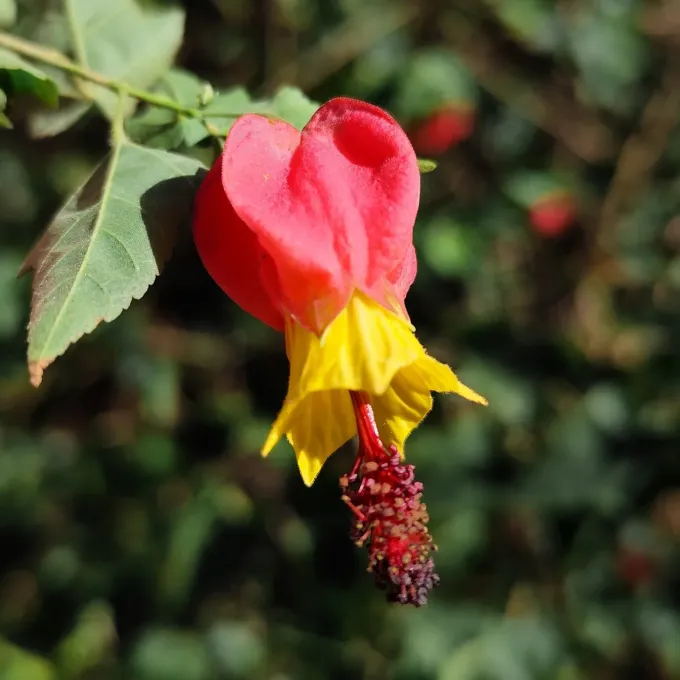
Description
Sowing dates
The propagation of Abutilon inflatum typically begins with seed sowing in early spring. In temperate regions, it is best to start seeds indoors in late winter to ensure they are ready for planting once the risk of frost has passed.
Seeds should be sown in a sterile, well-draining seed-starting mix at a depth of about 1 centimeter. Maintaining a warm temperature between 20°C and 25°C is essential for uniform germination, which usually occurs within two to three weeks.
Once the seedlings develop their first true leaves, they should be hardened off before being transplanted to their final location. This transition period is crucial to prevent shock and ensure steady growth.
For direct outdoor sowing, which is only recommended in frost-free climates, the soil must be pre-warmed. Proper moisture levels must be maintained throughout the germination phase to ensure the roots establish firmly.
Spacings should be determined based on the specific use of the crop. For dense vegetative production, a spacing of 50-60 cm between plants allows for optimal air movement and sunlight penetration.
Growing requirements
Abutilon inflatum, a member of the Malvaceae family, thrives in sunny, sheltered locations. Originating from South America, the plant is highly adaptable but requires full sun to partial shade for the best development.
The species demands fertile, loamy soil with excellent drainage. While it can tolerate a variety of soil types, it performs poorly in waterlogged or overly compacted ground, which often leads to root distress.
Temperature management is key to successful cultivation. As a tropical to subtropical plant, it is not frost-hardy and requires temperatures above 12°C to remain active. Extreme heat combined with dry winds requires increased irrigation.
Nutrient requirements are moderate; a balanced fertilizer applied during the main growing season promotes vigorous stem and leaf production. Nitrogen-rich feeds are beneficial in the early growth stages.
Regular pruning is often necessary to maintain the structural integrity of the plant, especially if it is being cultivated for its fibers or aesthetic value in a controlled environment.
Main diseases and pests
Spider mites represent a significant threat to Abutilon inflatum, particularly in warm, dry environments. They cause stippling and yellowing of the leaves, which can lead to premature defoliation if left untreated.
Aphids are another common pest, often colonizing the tender tips of the stems. They extract plant sap and can weaken the crop significantly, making it susceptible to secondary infections.
Powdery mildew is the most prevalent fungal issue, characterized by a white, flour-like coating on the foliage. It occurs primarily when there is poor air circulation and high humidity levels.
Root rot, caused by various soil-borne fungi, is a major concern in poorly drained soils. Preventing this requires careful attention to irrigation schedules and ensuring that the soil does not stay saturated for long periods.
Integrated pest management strategies, including the use of neem oil or insecticidal soaps, are effective at controlling early outbreaks. Keeping the planting area free of debris helps reduce overwintering sites for these pests.