
Abutilon hypoleucum
Abutilon hypoleucum
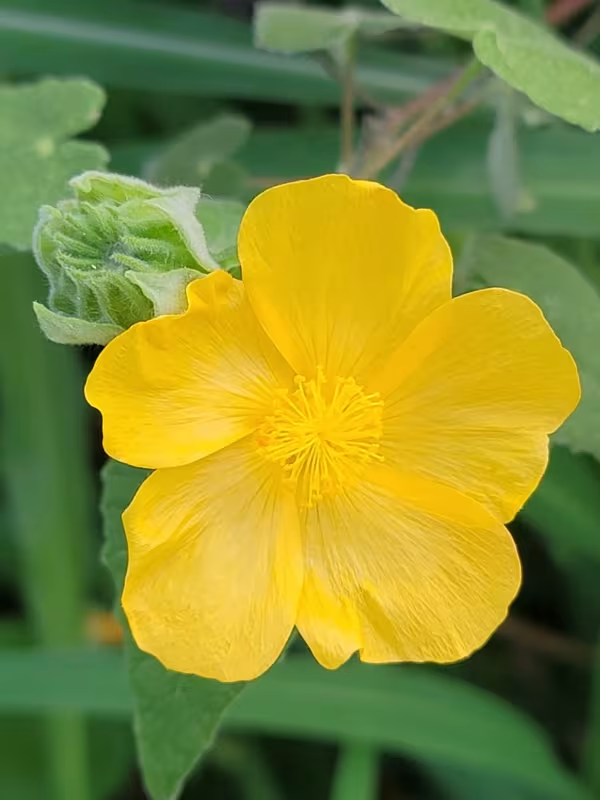
Description
Growing requirements
Abutilon hypoleucum is a perennial shrub species belonging to the Malvaceae family. It is distinguished by its unique foliage, which often features a silvery, pubescent underside, making it a highly desirable plant for botanical collections and ornamental gardening.
Originating from the tropical regions of South America, specifically Brazil, this plant thrives in warm climates. Its natural habitat is defined by stable temperatures and consistent environmental conditions that support year-round vegetative growth.
In cultivation, Abutilon hypoleucum requires well-draining soil with high organic matter content to thrive. It is essential to ensure that the potting medium or garden soil allows for adequate aeration, as the root system is susceptible to damage from waterlogging.
Regarding climatic preferences, this species requires a frost-free environment to survive. It prefers full sun to partial shade, and in colder climates, it must be overwintered in greenhouses or indoor settings where temperatures remain above 15 degrees Celsius.
A sound agricultural maintenance routine involves regular pruning to manage the plant's size and shape, as well as supplemental fertilization during the growing season. Nitrogen-balanced fertilizers help maintain the health of the foliage, which is the primary aesthetic feature of the plant.
Main diseases and pests
Common pests affecting this crop include spider mites, whiteflies, and scale insects. These pests often proliferate when ambient humidity is too low or when the plant is stressed by improper watering schedules.
Fungal diseases, such as leaf spot or root rot, are usually the result of poor ventilation and excessive moisture. Preventive care involves maintaining good airflow around the canopy and ensuring the soil surface is allowed to dry slightly between irrigation events.