
Abutilon hulseanum
Abutilon hulseanum
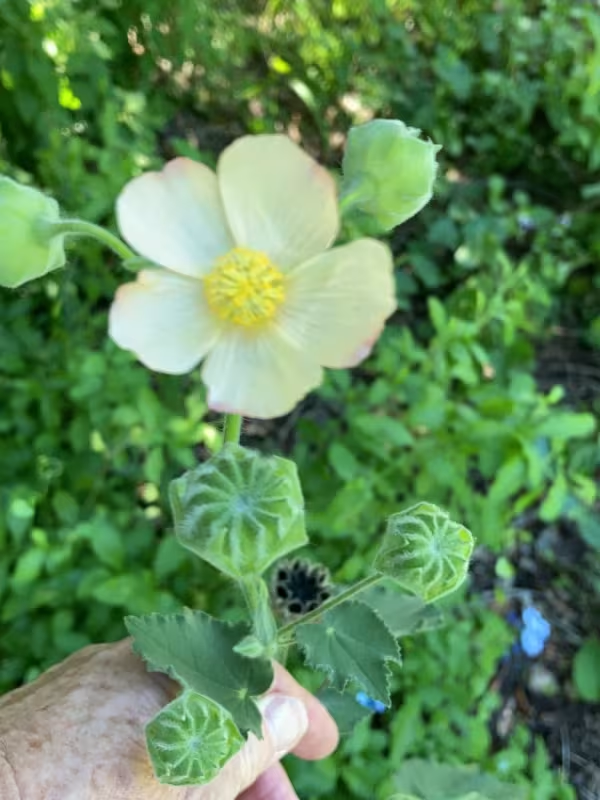
Description
Sowing dates
Abutilon hulseanum is a warmth-loving crop, making it essential to wait for soil temperatures to consistently stay above 15°C before direct sowing in open fields.
In temperate climates, starting seeds indoors is highly recommended to extend the growing season and ensure that transplants are well-established before the outdoor transition.
Seeds of this species feature a robust coat, so practitioners often employ scarification or pre-soaking in water to break dormancy and increase overall germination rates.
Seeds should be sown at a shallow depth of approximately 1-2 cm, ensuring the soil remains moist but not waterlogged to support initial root development.
Once seedlings achieve their second set of true leaves, they require careful handling and hardening off before they are moved to their permanent outdoor location.
Growing requirements
This species belongs to the Malvaceae family, which is known for its diverse members and the unique biological characteristics of its shrub-like growth patterns.
Optimal growth is achieved in locations receiving at least six to eight hours of direct sunlight per day, as the plant thrives in bright, well-illuminated conditions.
Soil requirements include well-drained, nutrient-rich substrates with a slightly acidic to neutral pH, ensuring that root systems can develop without suffering from suffocation.
Water management is crucial; the plant requires consistent moisture during its vegetative cycle but must be protected from standing water to prevent root rot issues.
Regular fertilization with balanced NPK formulas helps sustain vigorous growth, particularly during the peak of the growing season when nutrient demand is highest.
Main diseases and pests
Powdery mildew is a common fungal threat to Abutilon hulseanum, often emerging when air circulation is poor or humidity levels remain consistently high in the canopy.
Spider mites are the most prominent pest, causing significant stress to the plant by piercing leaves, which can lead to stunted growth and reduced biomass yield.
Effective pest control involves frequent scouting to identify initial signs of infestation, followed by timely application of selective miticides or organic interventions.
Root rot, triggered by poor drainage or overwatering, remains a persistent challenge that can severely compromise the plant's structural integrity and overall health.
Maintaining proper plant spacing is a key preventative measure, as it promotes airflow and reduces the micro-climatic conditions favorable to disease development.