
Abutilon hemsleyanum
Abutilon hemsleyanum
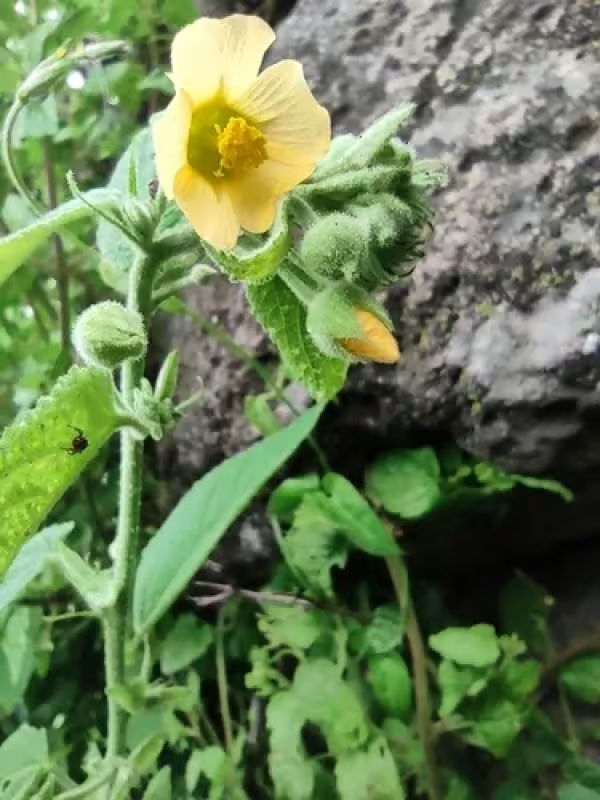
Description
Sowing dates
Sowing Abutilon hemsleyanum seeds is best initiated in early spring, as the lengthening daylight hours provide the necessary energy for germination. February or March serves as the ideal window for starting seeds to ensure robust growth before the warmer season.
Seeds should be planted in a lightweight, well-draining substrate at a depth of approximately 0.5 to 1 centimeter. Maintaining a constant soil temperature between 22 and 25 degrees Celsius is crucial to achieving a high germination rate and uniform seedling development.
Using a greenhouse or a humidity dome is highly recommended to create a stable microclimate. Once the seedlings develop their first pair of true leaves, they should be carefully pricked out and transplanted into individual pots to allow for proper root system development.
When moving plants to an outdoor environment, it is imperative to wait until all risks of late spring frosts have passed. Abutilon hemsleyanum is sensitive to thermal shock, so a gradual acclimation process is necessary before full outdoor placement.
Selecting an appropriate planting site involves finding a spot that offers bright, indirect sunlight. Protecting the plant from harsh midday sun is essential to prevent leaf scorching and to maintain the aesthetic appeal of the foliage.
Growing requirements
Abutilon hemsleyanum belongs to the Malvaceae family and is recognized for its ornamental value and distinctive growth pattern. It naturally thrives in regions characterized by mild climates, where temperatures rarely drop to extreme freezing points for extended periods.
The species requires a fertile, loose soil structure with a neutral to slightly acidic pH. Effective drainage is a non-negotiable requirement for this plant, as waterlogging frequently leads to root rot and the subsequent decline of the entire plant specimen.
During the active growth phase, consistent and moderate irrigation is vital. The moisture levels in the substrate should be carefully monitored to avoid the extremes of complete drought or soil saturation, both of which can negatively impact plant health.
Regular fertilization with a balanced mineral complex is recommended to support lush growth and abundant flowering. Nitrogen-rich fertilizers should be applied early in the season, while phosphorus and potassium supplements are better suited for the blooming stage.
In indoor environments, the plant requires good air circulation but must be protected from cold drafts. Regular pruning is a key agricultural practice to maintain a compact, bushy shape and to stimulate the formation of new flowering buds throughout the year.
Main diseases and pests
Spider mites and whiteflies are the primary pests affecting Abutilon hemsleyanum, particularly in environments with low humidity. These insects can quickly colonize the plant, extracting cell sap and causing the leaves to yellow and drop prematurely.
Root rot is the most common pathology, typically resulting from poor drainage or overwatering. The presence of darkened, mushy stems or wilting leaves despite moist soil are clear indicators of potential fungal or bacterial colonization in the root zone.
Pest management involves the application of appropriate insecticides, ensuring thorough coverage of both leaf surfaces. Early detection is crucial, so routine inspections of the undersides of leaves are recommended to identify colonies before they spread significantly.
Fungal prevention relies heavily on maintaining a strictly controlled irrigation schedule and ensuring sufficient ventilation around the plants. If an infection occurs, sanitation, including the removal of dead or decaying tissue, must be prioritized immediately.
Optimal plant immunity is achieved through diligent care and appropriate environmental conditions. By providing the plant with balanced light, proper nutrition, and consistent airflow, growers can significantly reduce the risk of infestation and disease.