
Abutilon guineense
Abutilon guineense
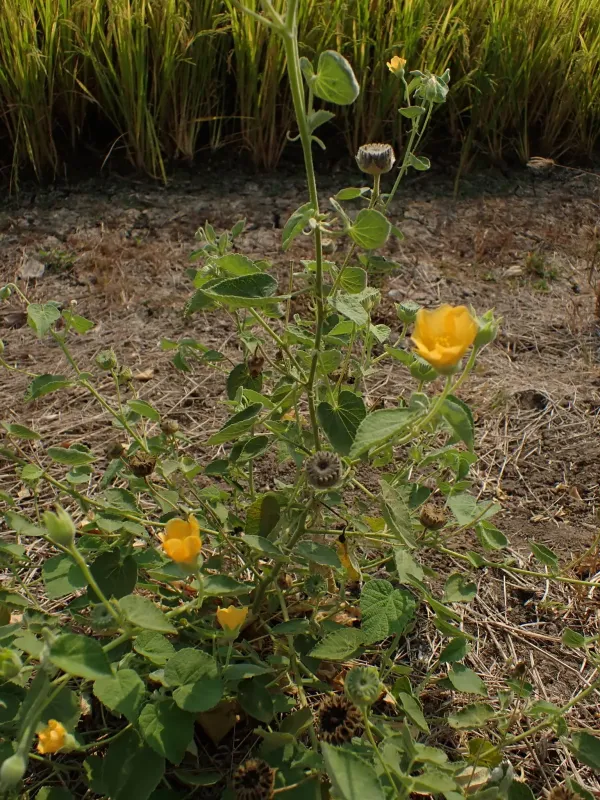
Description
Sowing dates
Abutilon guineense is a heat-loving crop, so sowing should only take place after the risk of frost has passed and soil temperatures reach 15–18°C.
Optimal timing for field operations usually occurs in the second half of May, when the soil retains sufficient moisture for uniform seed germination.
Seeds are sown using row spacing methods that ensure optimal plant density, which is essential for developing high-quality stems.
The depth of sowing depends on soil texture, typically ranging from 2–3 centimeters to ensure quick contact with a moist environment.
When using seedling methods, greenhouse sowing begins 30–40 days before the projected outdoor transplant date to achieve earlier vegetative growth.
Growing requirements
Abutilon guineense is a member of the Malvaceae family, naturally occurring in the tropical and subtropical regions of Africa.
The crop has high light requirements and prefers open areas protected from strong winds, as the stems can be susceptible to lodging.
The plant performs best in fertile loamy or sandy soils with a neutral pH, and good drainage is critical to prevent waterlogging.
A key factor for productive growth is regular irrigation during dry spells, as the plant develops a large vegetative biomass.
This crop is best suited to stable, warm climates where active temperature sums are sufficient to complete the full vegetation cycle.
Yield
The economic value of Abutilon guineense lies primarily in the production of bast fibers extracted from the plant stems.
The yield of green biomass and fiber recovery directly depend on maintaining optimal plant density and high levels of soil nutrition.
Under intensive cultivation techniques using nitrogen fertilizers during active growth phases, maximum biomass yields can be achieved.
Fiber yield is also determined by the harvest timing, which must be precisely synchronized with the technical maturity stage of the stems.
Consistent yields are ensured through efficient agricultural practices aimed at early weed control and crop management.
Main diseases and pests
The primary pests posing a threat to this crop include spider mites and aphids, which target the young leaves and shoots.
In conditions of high humidity and poor air circulation, the fields can become susceptible to fungal infections, such as root rot diseases.
To prevent the spread of diseases, strict crop rotation must be followed, avoiding planting the crop on the same land for at least 3–4 years.
Preventive applications of fungicides and insecticides during critical development stages help minimize the risk of significant yield loss.
Timely weeding and soil aeration contribute to maintaining the overall sanitary state of Abutilon guineense fields.
Harvesting
Harvesting of Abutilon guineense is conducted at the start of the flowering phase, when the stems have attained optimal height and fiber accumulation.
Mechanical harvesting is typically used, cutting the stems at the base to ensure efficient processing of the collected biomass.
Post-harvest, the stems undergo primary processing, including retting or decortication, to isolate the fiber from the stalk.
Proper drying under well-ventilated conditions is essential to prevent fiber quality degradation caused by mold and fungi development.
Adhering to harvest timelines is critical, as leaving the crop in the field for too long leads to fiber coarsening and reduced mechanical properties.