
Abutilon grantii
Abutilon grantii
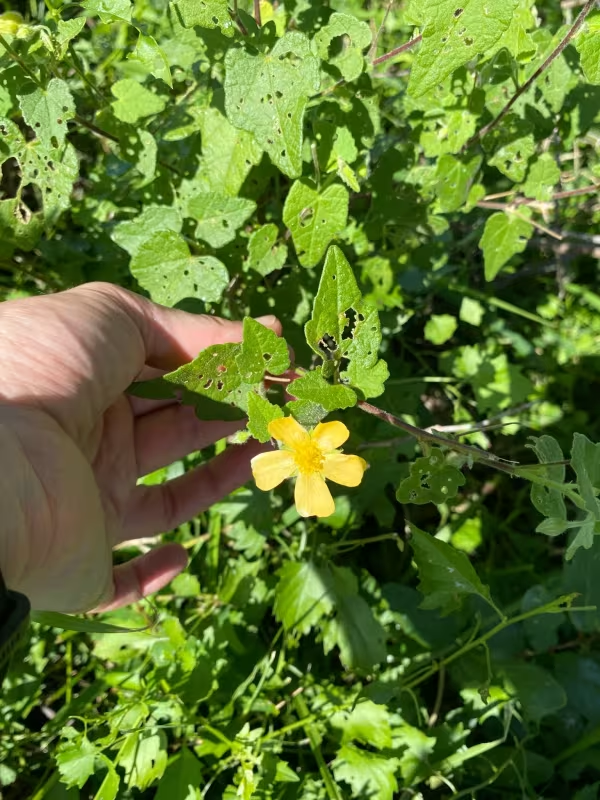
Description
Sowing dates
Abutilon grantii is a perennial shrub belonging to the Malvaceae family, recognized for its distinctive foliage and growth habit in controlled environments.
For propagation, seeds are typically sown in late winter or early spring to ensure that the seedlings reach a sufficient size before the peak summer season.
The substrate for sowing should be well-draining, consisting of a mix of potting soil, perlite, and coarse sand to facilitate optimal root development.
Keeping the seeds at a constant temperature of approximately 22–25 degrees Celsius is crucial for consistent germination rates across the seed lot.
Once true leaves appear, young plants must be pricked out into individual pots to avoid competition and provide enough space for root system expansion.
Growing requirements
Native to African regions, this plant thrives in warm climates and requires high levels of bright, indirect sunlight to maintain its physiological functions.
Soil requirements focus on fertility and drainage; the plant prefers a slightly acidic to neutral substrate that is rich in organic matter.
Irrigation management is essential, as the plant demands consistent soil moisture without becoming waterlogged, which can lead to severe physiological stress.
Regular fertilization with a balanced NPK formula, supplemented with micronutrients, supports the energy-intensive process of continuous vegetative growth.
Temperature fluctuations should be minimized, as the plant is sensitive to cold drafts and rapid cooling, which can inhibit its growth cycle significantly.
Main diseases and pests
The primary horticultural threats to Abutilon grantii include common pests such as spider mites, aphids, and whiteflies, especially in greenhouse conditions.
Root rot caused by fungal pathogens often occurs if irrigation practices are not strictly managed or if the drainage system fails to function properly.
Integrated pest management strategies should be employed, utilizing both biological controls and targeted chemical treatments when necessary to protect the plant.
Symptoms of distress, such as leaf chlorosis or wilting, should be addressed immediately by inspecting the root zone and adjusting the watering regime accordingly.
Maintaining proper hygiene in the growing area, including the sterilization of pots and tools, is key to preventing the spread of infectious plant diseases.