
Shrubby abutilon
Abutilon fruticosum
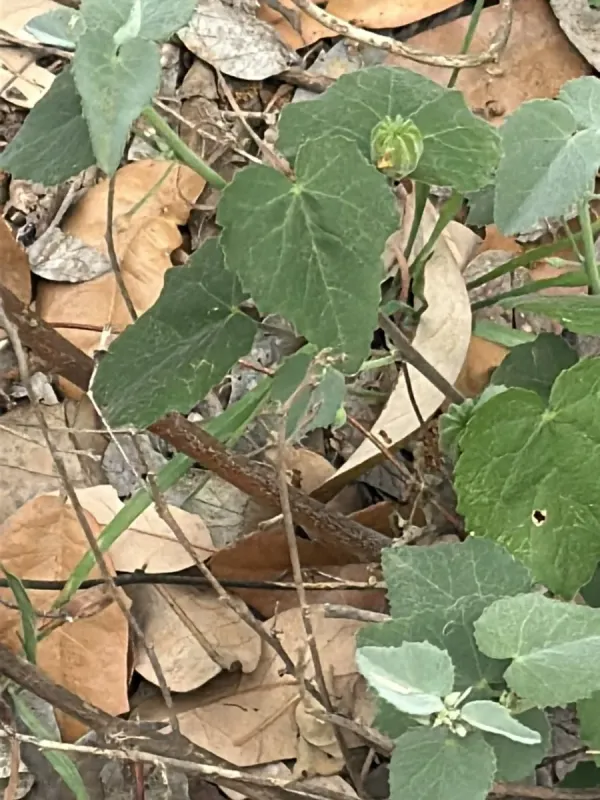
Description
Sowing dates
Abutilon fruticosum, a member of the Malvaceae family, is a perennial shrub well-adapted to arid and semi-arid environments. Successful sowing requires attention to soil temperature and moisture conditions.
Seeds should be planted once the soil has warmed sufficiently, typically when temperatures consistently exceed +20 degrees Celsius. This ensures rapid germination and a strong start for the root system.
The optimal planting density involves a row-based approach with intervals of 50 to 60 centimeters. This spacing is crucial to prevent competition for limited underground resources in native-like conditions.
Seeds are placed at a depth of 1 to 2 centimeters in a well-drained, loose substrate. Proper contact between the seed and the soil is essential to facilitate moisture absorption and initiation of growth.
Once seedlings emerge, thinning is recommended to ensure robust individual growth. This leads to the development of stronger, thicker stems, which are highly valued if the plant is being grown for fiber production.
Growing requirements
This crop thrives under full sun exposure and is highly intolerant of shading. Its morphology is designed for high-light environments, making it ideal for open, semi-arid agricultural fields.
The plant is highly adaptable to poor, sandy, or rocky soils. However, good drainage is a critical requirement, as the species is highly susceptible to root rot in waterlogged conditions.
Abutilon fruticosum is characterized by extreme drought resistance, making it a viable crop for regions experiencing chronic water shortages. It effectively utilizes deep soil moisture via an extensive root system.
The ideal temperature range for active vegetation is between +25 and +35 degrees Celsius. The plant maintains high metabolic activity even during intense heat, which would be detrimental to many other species.
- Tolerance to low-nutrient soils
- Full solar radiation requirements
- High efficiency in water utilization
- Moderate salt tolerance
Harvesting
The harvesting strategy for Abutilon fruticosum depends on the end-use, such as fiber extraction or fodder production. Timing is key; harvesting at the onset of flowering ensures the highest fiber quality.
When harvesting for fiber, the stems must be cut at their peak structural strength. Specialized machinery is utilized to ensure an efficient harvest while preserving the integrity of the raw material.
Post-harvest processing involves rapid drying to prevent degradation and fungal growth. Controlled ventilation during the drying process is essential to maintain the mechanical properties of the extracted fibers.
Seed harvesting is performed once the capsules reach full maturity and begin to brown. Utilizing harvesting equipment with sensitive cleaning systems prevents significant seed losses during the process.
Sorted and cleaned seeds are stored in cool, dry conditions to ensure high vigor and germination rates for the following season. Proper storage protocols are vital for the long-term viability of the crop stock.