
Abelia zanderi
Abelia zanderi
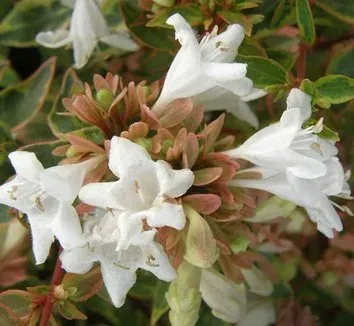
Description
Growing requirements
Abelia zanderi is an elegant ornamental shrub classified within the Caprifoliaceae family. It is widely recognized for its high decorative value in landscaping and horticultural projects due to its persistent foliage and fragrant blooms.
Originating from the mountainous regions of East Asia, this species thrives in temperate climates. It requires strategic placement in areas that provide ample sunlight while remaining sheltered from harsh, desiccating winds.
The cultural success of Abelia depends heavily on soil quality. It prefers well-drained, fertile, slightly acidic to neutral soils that retain sufficient moisture without becoming waterlogged, which can harm the root system.
Regarding climate, the plant is moderately hardy. It is essential to protect the root zone with organic mulch during cold winters and, in colder zones, provide supplemental covering to prevent frost damage to the branches.
Maintenance involves routine cultural practices such as spring pruning to remove winter-damaged wood and to stimulate dense, vigorous growth, alongside consistent hydration during the peak summer growing season.
Main diseases and pests
Typical pests affecting Abelia zanderi include spider mites and aphids, particularly in hot and dry climates. These pests feed on sap, leading to foliage deformation and weakened plant vigor if not controlled early.
Powdery mildew is a primary fungal threat, especially in sites with stagnant air or high relative humidity. Ensuring adequate spacing between plants is crucial for preventing the spread of these fungal spores.
Root rot, often caused by Phytophthora or similar pathogens, occurs in compacted or poorly draining soils. Improving the substrate aeration is the best preventive strategy against soil-borne diseases.
Nutrient deficiencies, specifically iron or magnesium, may manifest as leaf chlorosis. Soil testing and the application of balanced, chelated micronutrients can effectively restore the plant to a healthy state.
Integrated pest management strategies are recommended, including the use of horticultural oils for initial pest outbreaks and specialized fungicides only when environmental conditions favor disease progression.