
Abelia integrifolia
Abelia integrifolia
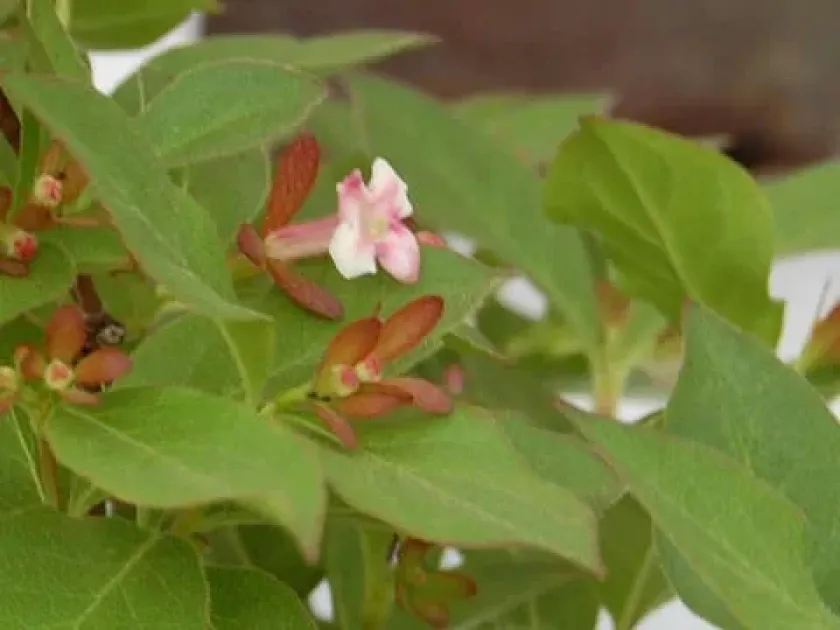
Description
Growing requirements
Abelia integrifolia is a decorative perennial shrub belonging to the Caprifoliaceae family. Renowned for its elegant habit and attractive foliage, this plant is a popular choice for gardens and landscaping projects that require reliable and aesthetically pleasing evergreen or semi-evergreen structures.
Originating from East Asia, the plant has adapted to temperate and subtropical climates. In its native habitat, it typically thrives in well-drained, nutrient-rich woodland edges, which gives a strong indication of its preferred environmental conditions in a garden setting.
Botanically, it is distinguished by its entire leaves and delicate, often fragrant, tubular flowers. Its branching pattern allows for versatile use in garden design, ranging from formal hedges to informal shrub borders, maintaining its shape with minimal intervention.
Regarding cultivation, Abelia integrifolia requires a location that provides ample sunlight, though it benefits from light shade during the hottest part of the day in warmer regions. Soil should be fertile, slightly acidic to neutral, and possess excellent drainage to prevent root issues.
The agrotechnical requirements include consistent moisture during the growing season, particularly for young plants. Periodic application of organic matter or balanced fertilizers promotes vibrant growth, while proper spacing ensures adequate airflow, which is essential for the overall health of the shrub.
Main diseases and pests
The main pests that can affect this species include aphids and spider mites. These are particularly prevalent during periods of high heat and low humidity, making regular inspection of the leaf undersides a crucial part of the maintenance schedule.
Fungal diseases, such as root rot or leaf spot, are primarily associated with waterlogged soil or poor ventilation within the canopy. Improving drainage and thinning out overly dense branches are effective preventative measures against such outbreaks.
Powdery mildew can occasionally occur when there is high humidity combined with stagnant air. Providing the plant with an open site where wind can circulate helps to keep the foliage dry and free from fungal spores throughout the season.
Economic and horticultural utility is primarily based on its decorative value. It is widely used in residential landscapes and municipal parks to provide structural interest and seasonal color, contributing to the biodiversity and beauty of the green space.
Effective management involves an integrated approach to care, focusing on environmental balance rather than chemical dependence. By selecting the right site and maintaining optimal soil conditions, gardeners can easily minimize the risk of significant pest or disease pressure.