
Abelia graebneriana
Abelia graebneriana
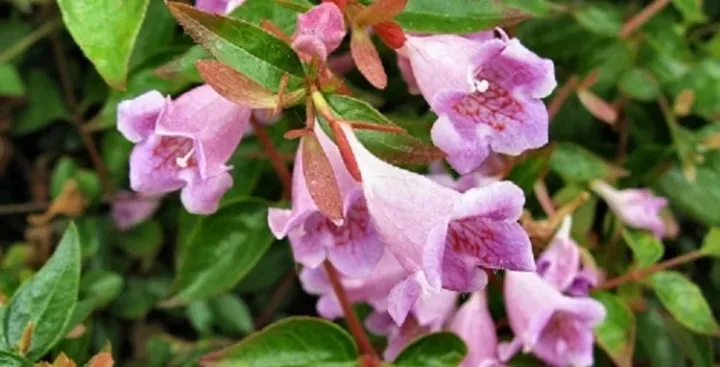
Description
Growing requirements
Abelia graebneriana is a species of flowering plant belonging to the Caprifoliaceae (Honeysuckle) family. This deciduous shrub is highly regarded in horticulture for its elegant foliage and fragrant blooms that enhance any landscape design.
Originating from the mountainous regions of China, this species thrives in climates characterized by moderate temperatures and sufficient rainfall. It is best suited for cultivation in regions that offer a temperate environment with protection from harsh winters.
The plant requires well-drained, fertile soil with a neutral to slightly acidic pH level. Ensuring good soil aeration is crucial to prevent root rot, which is a common issue for this species when grown in heavy, waterlogged clay soils.
Proper agricultural practices involve placing the plant in a location that receives full sun to light shade. Consistent watering is necessary during the establishment phase, while established shrubs show moderate drought tolerance, although they prefer consistent moisture.
Maintenance includes periodic pruning to shape the plant and remove dead or diseased stems after the flowering season. This practice encourages denser growth and more vigorous flowering in the following year, which is essential for ornamental use in gardens.
Main diseases and pests
The primary threats to Abelia graebneriana include powdery mildew, which can spread rapidly in humid and stagnant conditions. Common pests such as aphids and spider mites can also impact plant vitality during hot and dry weather intervals.