
Abelia ionandra
Abelia ionandra
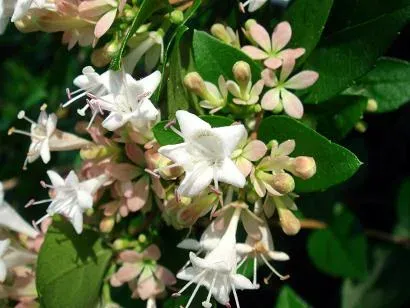
Description
Growing requirements
Abelia ionandra is a perennial evergreen or semi-evergreen shrub belonging to the Caprifoliaceae family. This plant is widely recognized for its graceful growth habit and its ability to produce delicate, fragrant flowers that enhance the aesthetics of a garden.
Originating from parts of East Asia, this species thrives in climates where seasonal shifts are not overly harsh. In horticultural practice, it is often utilized as a focal point in borders or as part of a mixed shrubbery display, provided the site offers protection from severe frost.
The cultural requirements center on well-drained, nutrient-rich soil with a slightly acidic to neutral pH. It is essential to avoid sites prone to waterlogging, as the root system of Abelia ionandra is particularly susceptible to decay in heavy, saturated soils.
Optimal growth is achieved in locations that receive full sun to partial shade. Exposure to direct sunlight encourages denser flowering, while light afternoon shade helps to maintain the vitality of the foliage, especially in regions with intense summer heat.
Maintenance practices include routine watering during the establishment phase and periods of drought, along with seasonal pruning. Pruning should be performed annually to remove deadwood and maintain the desired shape, which ensures sustained vigor throughout the plant's life cycle.
Main diseases and pests
Common pests affecting Abelia ionandra include spider mites and aphids, which are more prevalent in dry, hot conditions. Regular scouting and appropriate application of horticultural oils or soaps are recommended to manage these infestations effectively.
Disease issues are primarily related to fungal pathogens, such as root rot, which is usually a consequence of poor drainage or overwatering. Maintaining a balanced soil moisture level is the most effective preventative measure against such conditions.