
Abelia corymbosa
Abelia corymbosa
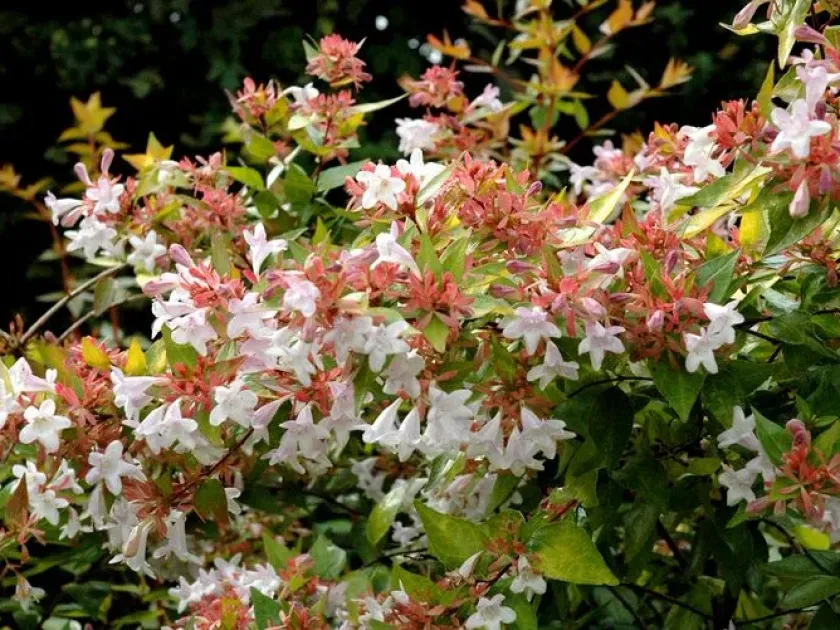
Description
Growing requirements
Abelia corymbosa is a deciduous shrub species belonging to the Caprifoliaceae family. Native to the mountainous regions of Central Asia, this plant is valued for its elegant form and flowering characteristics.
The shrub thrives in sunny locations with well-draining soil. It prefers a slightly acidic to neutral substrate, enriched with organic matter, which ensures healthy root development and vibrant leaf color during the growing season.
Adequate moisture is essential for this plant; however, standing water should be avoided at all costs. Regular watering is recommended during dry spells, but the soil must be allowed to dry slightly between applications to prevent rot.
While the plant shows moderate resilience, it is advisable to protect it from extreme frost. In colder climates, covering the base with mulch or using protective covers during winter helps the plant survive and resume growth in spring.
Pruning is essential for maintaining the structural integrity and aesthetic value of Abelia corymbosa. It is best performed in late winter or early spring, removing weak or dead wood to promote new, vigorous shoots.
Main diseases and pests
Like many shrubs in the Caprifoliaceae family, Abelia corymbosa can be susceptible to powdery mildew. This fungal issue typically manifests during periods of high humidity and poor air circulation around the canopy.
Insect pests such as aphids and spider mites are common threats. Regular monitoring of the foliage and timely application of horticultural soap or appropriate pesticides will help maintain plant health and prevent infestations.