
Abelia uniflora
Abelia uniflora
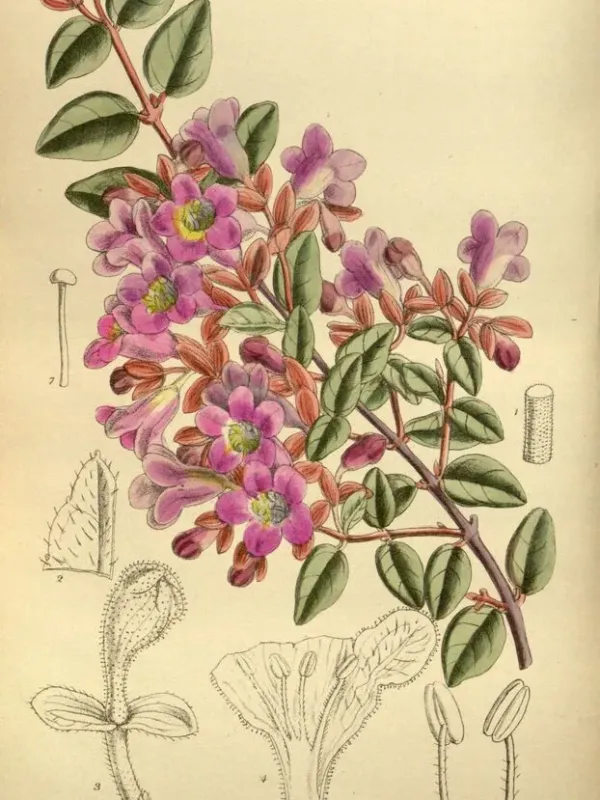
Description
Growing requirements
Abelia uniflora is a semi-evergreen ornamental shrub belonging to the Caprifoliaceae family. Originating from China, this plant is well-known for its graceful arching branches and fragrant, tubular flowers that bloom in late spring and early summer.
The plant thrives in locations with bright, filtered sunlight, which ensures the best foliage color and flower production. While it can tolerate partial shade, too much shade often results in leggy growth and fewer flowers, reducing the overall ornamental value of the shrub in landscaping.
Soil requirements focus on fertility and excellent drainage. Abelia uniflora performs best in loam-based soils that remain moist but never waterlogged. Incorporating organic matter during planting helps maintain the slightly acidic to neutral pH balance preferred by this species.
Regarding climate, the plant prefers temperate conditions and is considered moderately hardy. In regions with freezing winter temperatures, it is essential to provide protection or cultivate the plant in containers that can be moved to a frost-free environment like a greenhouse during winter months.
Agricultural management requires consistent watering throughout the growing season, especially during dry spells. Regular pruning after the blooming period is recommended to maintain a tidy shape, encourage dense branching, and promote a robust display of flowers for the following year.
Main diseases and pests
Common pests affecting Abelia uniflora include spider mites and mealybugs, which are particularly troublesome in dry indoor or sheltered environments. These pests feed on plant sap, causing yellowing and premature leaf drop if not addressed promptly with appropriate horticultural oils.
Powdery mildew is the most frequent fungal disease, characterized by white, dust-like spots on the foliage. This condition is typically triggered by poor air circulation around the shrub, combined with high humidity levels, leading to significant stress for the plant.
Effective pest control strategies involve using systemic insecticides or insecticidal soaps. Careful application ensures that the chemicals reach the underside of the leaves, where pests typically hide and lay their eggs during the active growing season.
Disease prevention relies heavily on good cultural practices, such as maintaining adequate spacing between shrubs to allow for air movement. Avoiding overhead irrigation can also reduce the moisture on leaves, which is a major factor in the development of fungal pathogens.
For long-term health, growers should perform sanitation by removing dead or infected wood immediately. Using fungicides during the early spring or at the first signs of infection can prevent the spread of spores throughout the rest of the garden landscape.