


Reference · Weeds
Amaranthaceae
The Amaranthaceae family is a vast group of annual herbaceous plants, with the Amaranthus genus being the most well-known representative. A key external feature of this group is the presence of small flowers clustered in dense spike-like or paniculate inflorescences, which often exhibit a reddish or greenish tint.
65
items
What the section contains
Marketplace
Products in this section · 4

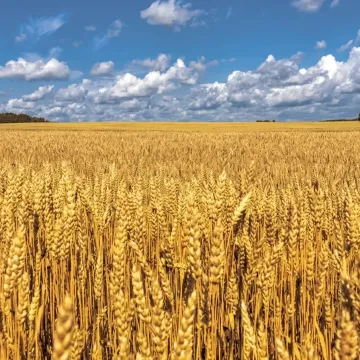
Amaranthaceae
The stems of these weeds are typically erect and heavily branched at the base, allowing the plant to rapidly build up significant biomass. Leaves are usually arranged alternately, often entire-margined, with a rhomboid or ovate shape, serving as a critical diagnostic feature during early growth stages.
The root system of Amaranthaceae is of the taproot type, penetrating deep into the soil, which ensures high drought tolerance and the ability to extract nutrients from deeper horizons. Due to their robust root development, weeds of this group are extremely competitive during the early phases of crop growth.
They propagate by seeds, which possess incredible fecundity—a single mature plant is capable of producing between 100,000 and 500,000 seeds. These seeds remain viable in the soil for many years, making systematic management a priority for every agronomist.
Biologically, they are C4 photosynthetic plants, allowing them to utilize solar energy and high temperatures with maximum efficiency, rapidly outpacing cultivated crops in development.
Amaranthaceae weeds are ubiquitous, favoring well-warmed, fertile, and loose soils. They are particularly aggressive in row crops, where the open space in inter-row areas allows them to occupy free niches without obstruction.
These weeds most frequently infest corn, sunflower, sugar beet, and soybean crops. They are often found along roadsides, on fallow land, in vegetable gardens, and at field edges, from where seeds are dispersed by wind, water, and agricultural machinery.
Due to high adaptability, members of this group successfully inhabit both irrigated lands and areas with moderate moisture. Their activity increases during the summer months when temperature markers reach peak levels.
In crop rotations, they pose a particular threat to crops with slow initial growth. Under warm autumn conditions, Amaranthaceae can produce secondary flushes after the harvest of early cereals, contaminating crop residues.
Seed dispersal also actively occurs through organic fertilizers (manure) if they have not undergone a thorough composting process capable of destroying embryo viability.
The primary damage caused by Amaranthaceae lies in the intense suppression of cultivated crops through competition for light, water, and mineral nutrients. Due to their rapid growth, they shade crop seedlings, slowing down their photosynthetic activity.
During their growth cycle, Amaranthaceae plants extract significant amounts of nitrogen and micronutrients from the soil, reducing the potential yield of the main crop by 30–50% under conditions of high infestation density.
They act as reservoirs for many dangerous pathogens and viral diseases, which are subsequently transmitted to crops. Additionally, they frequently host pests that migrate to fields, requiring additional insecticidal treatments.
Complicating the harvest process is another negative factor. Due to the high density of their stems, Amaranthaceae clog harvesting equipment, increase the moisture content of grain, and raise post-harvest processing and drying costs.
- Reduction of crop emergence.
- Yield losses due to moisture deficit.
- Difficulty in mechanical harvesting.
- Increased field weediness for future years.
Agronomic control methods include high-quality primary and pre-sowing soil cultivation, aimed at inducing weed seed germination followed by their destruction. It is essential to adhere to optimal sowing dates, allowing the crop to rapidly outcompete weeds.
Timely inter-row cultivation in row crops remains one of the most effective mechanical methods for controlling Amaranthaceae populations. It is important to perform these operations before the plants reach the active flowering stage.
Chemical control is based on the use of soil-applied herbicides, which create a "protective screen" and prevent weed seeds from germinating. This is particularly relevant in soybean and sunflower crops to ensure field cleanliness at the start of the season.
In corn and cereal crops, post-emergence herbicides are widely used, effectively targeting weeds at the 2–4 true leaf stage. When selecting products, it is vital to account for resistance, which can develop with long-term use of the same active ingredient.
Crop rotation serves as the foundation for long-term control: alternating crops with different root systems and varying sowing dates allows for a significant reduction in the soil seed bank of Amaranthaceae, preventing their mass accumulation in specific fields.