
Broad-leaved pondweed
Potamogeton natans
Description
How to tell it apart
Broad-leaved pondweed (Potamogeton natans) is a perennial aquatic plant belonging to the Potamogetonaceae family. It is characterized by long, flexible stems that grow from deep-seated rhizomes in the sediment.
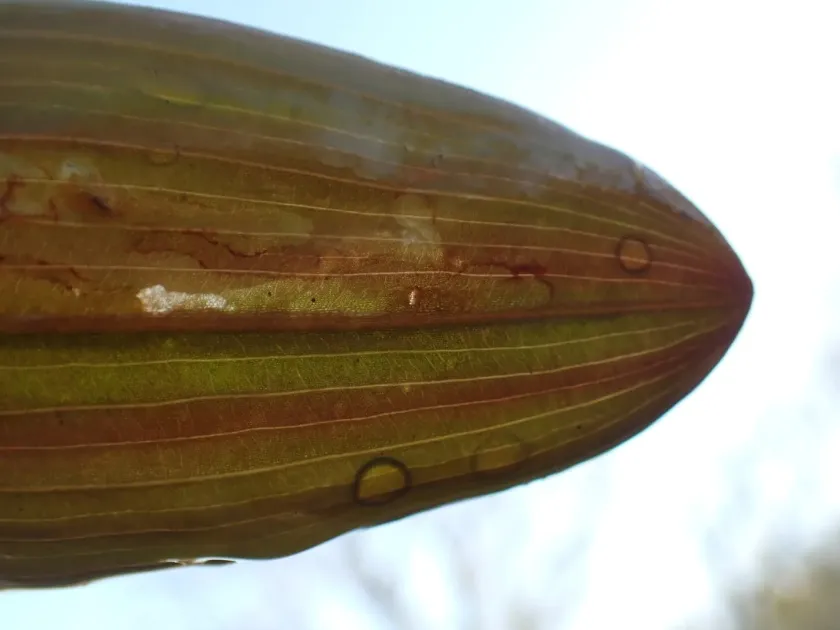
The plant features distinct floating leaves that are leathery and oval-shaped, attached to long petioles. These petioles allow the leaf blades to stay on the surface even when water levels fluctuate, ensuring optimal sunlight exposure.
Below the surface, the plant produces submerged leaves that are often lanceolate or linear. The root system is complex and vigorous, allowing the plant to survive in various types of stagnant or slow-flowing freshwater.
Flowering occurs during the summer months, producing spike-like inflorescences that rise above the water level. The plant is wind-pollinated, which allows it to successfully reproduce across vast aquatic areas.
Vegetative reproduction is a key survival strategy for this species. Fragmentation of rhizomes or stems can easily initiate new growth, making it a very persistent aquatic organism that is difficult to eradicate once established.
Where it grows
Broad-leaved pondweed is typically found in stagnant or slow-moving freshwater bodies such as ponds, lakes, marshes, and irrigation ditches. It thrives in nutrient-rich environments where silt provides a stable substrate.
In agricultural settings, it is a significant weed in irrigation systems and rice paddies. The constant water coverage in these systems creates an ideal habitat for its rapid colonization and expansion.
The plant spreads through human activity, such as moving water between fields or transporting contaminated machinery. Once introduced to a new canal system, it quickly forms dense mats that obstruct the water flow.
Optimal growth occurs at depths ranging from 0.5 to 2 meters. While it prefers these depths, it shows remarkable plasticity and can adapt to shallower or deeper conditions if light and nutrient availability permit.
It is capable of surviving temporary drought if the substrate remains moist. This resilience allows it to persist through seasonal fluctuations in water availability within modern melioration systems.
Harm it causes
The primary damage caused by Potamogeton natans is the obstruction of irrigation canals. Its dense growth significantly reduces water discharge capacity, which leads to sedimentation and inefficiencies in water delivery.
In rice farming, broad-leaved pondweed competes directly with the crop for nutrients, space, and light. This competition can severely reduce yield by suppressing the growth of rice seedlings during early development.
The surface mats formed by the plant block sunlight from entering the water column. This lack of light disrupts the ecosystem, hindering the photosynthesis of other beneficial aquatic flora and altering water temperatures.
Operational costs rise significantly as heavy equipment is needed to clear canals of this weed. It also disrupts the functioning of pumping stations, sluice gates, and other critical water-control infrastructure.
Furthermore, the dense mats provide shelter for aquatic pests and disease vectors, which can negatively impact the overall health of the agricultural environment surrounding the water system.
How to control
Agricultural control methods include deep plowing and complete drainage of channels during the off-season. Exposing the rhizomes to freezing temperatures and desiccation is highly effective in reducing the population.
Regular maintenance, such as desilting the channels, helps by removing the nutrient-rich substrate that supports vigorous plant growth. Keeping the water velocity high also discourages colonization.
Chemical control is an option using aquatic-approved herbicides. These must be applied strictly according to local regulations to ensure safety for non-target aquatic organisms and water quality standards.
Biological control methods include the introduction of herbivorous fish like the grass carp, which are known for feeding on submerged and floating aquatic vegetation, effectively keeping the weed in check.
- Mechanical harvesting using aquatic weed cutters.
- Water level management to induce stress on the plant.
- Integrated management plans involving routine monitoring of irrigation infrastructure.
Taxonomy
- Latin name
- Potamogeton natans
- Family
- Рдестовые
- EPPO code
- PTMNA