
Berchtold's pondweed
Potamogeton berchtoldii
Description
How to tell it apart
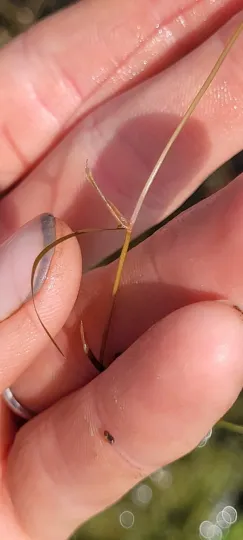
Berchtold's pondweed (Potamogeton berchtoldii) is a submersed aquatic perennial plant belonging to the Potamogetonaceae family, characterized by slender, highly branched stems.
The leaves are narrow, linear, and often translucent, usually measuring 1-2 mm in width, which distinguishes it from many other pondweed species in its genus.
The plant grows from a creeping rhizome system that anchors it firmly into the substrate of rivers, lakes, ponds, and man-made irrigation channels.
During the warmer months, the plant develops small, inconspicuous flowers arranged in spikes that may emerge above the water surface to facilitate pollination.
Vegetative reproduction is a key feature of its biology, as small fragments of stems or rhizomes can readily establish new colonies in favorable aquatic environments.
Where it grows
This species thrives in various water bodies throughout the Northern Hemisphere, showing a preference for slow-moving or stagnant water with silty or sandy bottoms.
It is frequently found in irrigation ditches, drainage canals, and flooded fields, particularly in areas used for intensive agriculture such as rice cultivation.
The plant is highly resilient and can withstand temporary drawdown, quickly recovering once water levels rise, which makes it a persistent issue in managed water systems.
Dispersal is often facilitated by water flow, which carries broken stems to new areas, and by human activities involving machinery in water-logged agricultural zones.
It prefers nutrient-rich waters where it can rapidly outcompete other aquatic species, eventually forming dense underwater mats that restrict water movement.
Harm it causes
The primary economic harm caused by Berchtold's pondweed is the obstruction of irrigation and drainage infrastructure, which reduces water conveyance capacity.
In rice paddies, the weed competes with crops for sunlight, essential nutrients, and space, directly reducing the crop yields and complicating harvesting efforts.
Dense infestations can clog pumps, intakes, and sluice gates, leading to significant maintenance costs and disruptions in the scheduled irrigation of farmlands.
As the plant dies back, it contributes to large amounts of organic matter, which can lead to localized hypoxic conditions in the water, harming beneficial microorganisms.
The presence of this weed makes mechanical maintenance of canals more difficult and can interfere with the delivery of water-applied fertilizers or crop protection products.
How to control
Mechanical control involves the regular dredging and clearing of irrigation channels, which should be timed to prevent the plant from establishing dense, mature stands.
Agricultural techniques such as field drying or crop rotation between aquatic and terrestrial phases can effectively break the growth cycle of the weed in infested paddies.
Water management, including controlled water level drops, can be utilized to stress the plants and suppress their growth during sensitive stages of the crop cycle.
Chemical control with approved aquatic herbicides is an option, though it requires precise application methods to ensure efficacy and minimize impact on aquatic wildlife.
Integrated weed management programs emphasize sanitation, such as cleaning equipment between water bodies to prevent the introduction of vegetative fragments into clean systems.
Taxonomy
- Latin name
- Potamogeton berchtoldii
- Family
- Рдестовые
- EPPO code
- PTMBE