
Waterthread pondweed
Potamogeton diversifolius
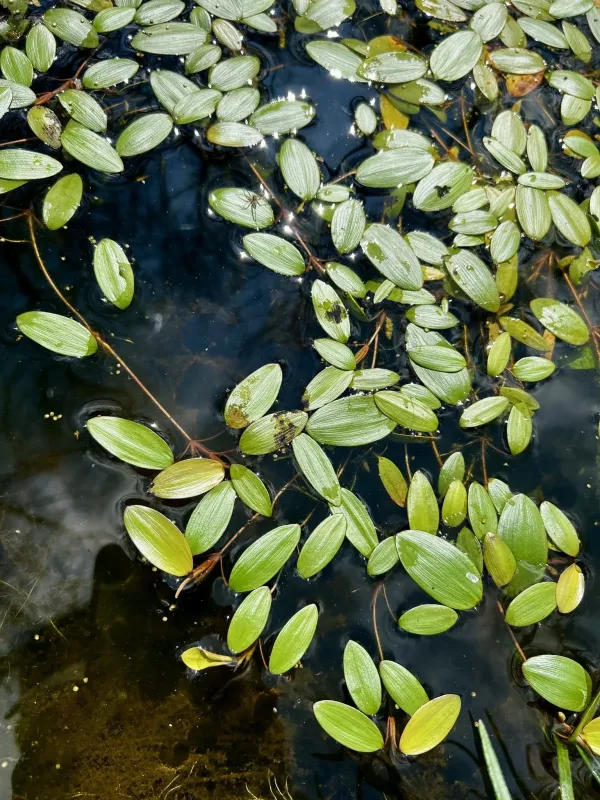
Description
How to tell it apart
Waterthread pondweed (Potamogeton diversifolius) is a species of aquatic plant in the Potamogetonaceae family, known for its distinct morphological flexibility in different water depths.
The plant exhibits two types of foliage: narrow, thread-like submerged leaves and wider, elliptical floating leaves that sit near the surface of the water.
It features slender, highly branched stems that create dense mats, which can physically impede water flow in smaller channels and irrigation ditches.
The inflorescences are small, spike-like structures that emerge above the water surface during the growing season to facilitate wind-assisted pollination.
This species is highly adaptable and can form thick colonies rapidly, which makes it a persistent nuisance in managed water systems used for agriculture.
Where it grows
This pondweed species is primarily found in still or slow-moving water bodies, such as ponds, ditches, and the flooded portions of rice paddies.
It thrives in shallow, nutrient-rich environments where organic sediment provides the necessary conditions for seed germination and rapid stem development.
It is frequently observed in irrigation networks, where its seeds are transported through water flow, colonizing downstream areas efficiently.
The plant is resilient to varying water levels, allowing it to persist even when fields undergo cycles of wetting and drying throughout the agricultural year.
Its natural range includes various temperate regions where it can utilize long daylight hours to maximize biomass production in the summer months.
Harm it causes
The primary agricultural impact of waterthread pondweed is the obstruction of irrigation canals, which causes significant water loss and delivery delays.
In rice cultivation, the plant acts as a strong competitor for space and light, significantly hindering the growth and development of the main crop.
The accumulation of dead plant biomass in drainage systems leads to water quality degradation, affecting the chemical balance necessary for crop health.
Dense mats of the weed often trap debris, which can lead to localized flooding or damage to water control structures and pumping machinery.
The presence of large populations encourages stagnant water conditions, which can increase the prevalence of insect vectors and aquatic pathogens.
How to control
Mechanical control involves the regular dredging and clearing of irrigation ditches and pond margins to remove the plant before it sets mature seeds.
Water level management is a crucial cultural practice; increasing the depth of water in channels can shade out submerged plants, limiting their photosynthetic rate.
Chemical control is applied via specific aquatic-approved herbicides; however, this requires careful timing and compliance with environmental safety regulations.
Early identification of new infestations is essential to prevent the spread of the plant to uninfected areas of the farm’s water distribution system.
- Regular mechanical clearing of canal beds.
- Manipulation of water depth for light suppression.
- Application of specialized aquatic herbicides.
- Monitoring of inlet and outlet water sources.
Taxonomy
- Latin name
- Potamogeton diversifolius
- Family
- Рдестовые
- EPPO code
- PTMDF