
Opercularia echinocephala
Opercularia echinocephala
Description
How to tell it apart
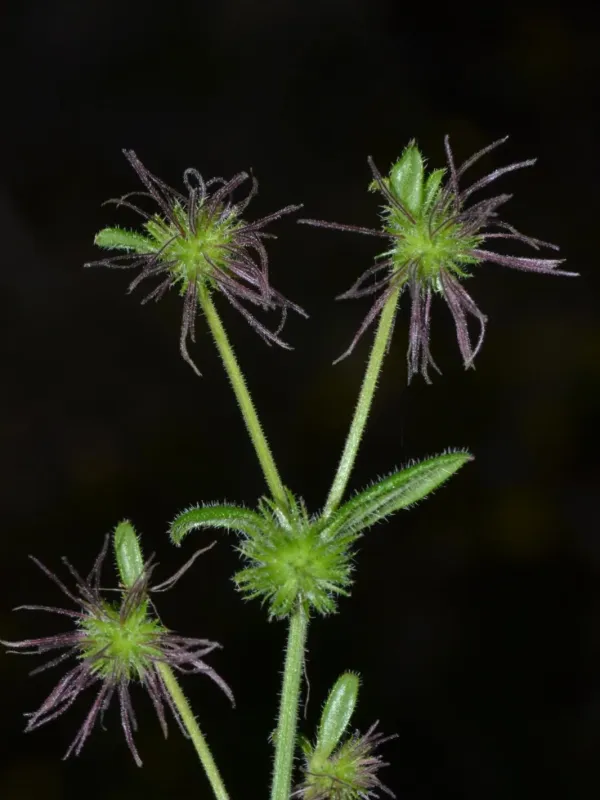
Opercularia echinocephala is a perennial herb belonging to the Rubiaceae family. The plant is characterized by its unique, dense head-like inflorescences that appear spiky, giving the plant its distinct botanical identity.
It possesses a robust and extensive root system, which enables it to compete vigorously with cultivated crops for limited soil resources. The stems are usually upright or sprawling, covered with fine hairs, and arranged with opposite leaves.
The leaves are lanceolate to ovate in shape, with distinct stipules that are a key diagnostic feature for professionals identifying the plant during field inspections.
The flowers are small and tightly clustered into heads. As they mature, these heads produce fruit capsules that are often hard and spiny, facilitating seed dispersal through animal movement or farming equipment.
When identifying this weed, agronomists should focus on the stipule structure and the flowering stage, as these features are highly stable and reliable for field identification throughout the growing season.
Where it grows
This species primarily thrives in regions with warm or subtropical climates, though it can adapt to various disturbed environments where soil moisture is sufficient for its development.
It is commonly found in fallow fields, roadsides, and the margins of cultivated land. It has a preference for fertile, moist soils, which allows it to establish dense colonies rapidly.
The weed poses a significant threat to grain crops and pastures, particularly in areas where crop rotation is not strictly followed or where soil management is inconsistent.
Dispersal across agricultural landscapes is largely driven by contaminated seed stocks and the movement of soil containing root fragments and seeds by heavy machinery.
Because of its adaptive nature, it can exploit gaps in crop canopy, quickly occupying space and depriving neighboring plants of vital solar energy and water resources.
Harm it causes
The primary harm caused by Opercularia echinocephala is resource competition. The weed effectively consumes soil moisture and nitrogen, significantly reducing the yield potential of target crops.
By forming dense patches, the plant creates significant shading that inhibits the growth of younger crop seedlings, leading to reduced vigor and uneven crop maturity.
Agricultural operations are negatively impacted because the rigid stems and spiky heads can clog harvesting equipment, leading to mechanical downtime and increased operational costs.
The weed can also act as an alternate host for various pests and fungal diseases, maintaining local populations of these threats even when the primary crop is harvested or rotated.
In grazing areas, the plant is generally avoided by livestock due to its texture, and if ingested, the rigid structures can cause mechanical irritation to the mouth and digestive tract of animals.
How to control
Integrated weed management is crucial for the control of this species. Cultural practices such as deep tillage are effective for severing root systems and exposing them to desiccation.
Strategic crop rotation with competitive crops that close the canopy early can significantly suppress the growth of this weed by limiting its access to sunlight.
Chemical control involving systemic herbicides is often necessary for larger infestations. These should be applied when the weed is in an active growth phase to ensure maximum translocation to the roots.
- Pre-planting application of broad-spectrum herbicides to clear established patches.
- Use of selective herbicides targeting dicotyledonous weeds in cereal crops.
- Strict sanitation protocols for equipment to prevent the spread of seeds and rhizomes between fields.
Taxonomy
- Latin name
- Opercularia echinocephala
- Family
- Мареновые
- EPPO code
- OPAEC