

Dublon Gold
ЗАТ Фірма Август, Росія.,селище Вурнари,
Herbicides
2
2
·
5.4K
6 offers
117.01 €per 1 l
Buy
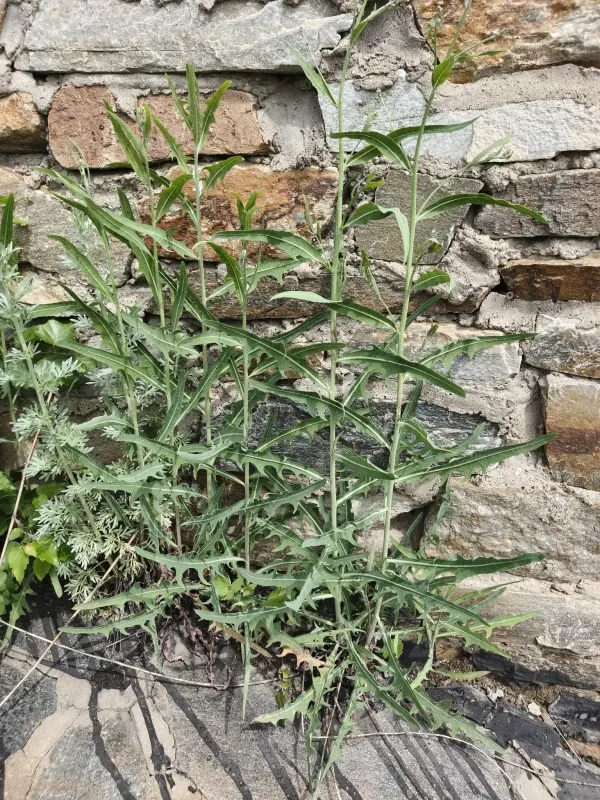
Blue lettuce (Lactuca tatarica) is a perennial herbaceous plant belonging to the Asteraceae family. This weed is characterized by a vigorous root system that allows it to survive in various harsh environments and persist for many years.
The plant features an erect, hairless stem that typically grows between 20 to 80 cm in height. Its leaves are often glaucous or bluish-green, with shapes ranging from simple to pinnately lobed, which is a key identification trait.
The flowers are arranged in heads with blue to violet ray florets. The fruits are achenes equipped with a pappus, which enables efficient wind dispersal of seeds across large agricultural areas.
Biologically, Blue lettuce reproduces through both sexual means via seeds and vegetative propagation through its deep-seated rhizomes. This dual reproduction strategy makes it an extremely challenging weed to eradicate from cultivated land.
The plant demonstrates significant biological resilience, capable of regenerating from small root segments left behind during cultivation. This persistence allows it to dominate disturbed sites and agricultural fields rapidly.
This weed is commonly found in steppes and disturbed landscapes. It frequently infests grain crops, row crops, and pastures, thriving particularly well in dry and saline soil conditions.
The primary damage caused by Blue lettuce is resource competition with crops. Its extensive root system aggressively absorbs water and minerals, significantly depriving surrounding plants of essential nutrients.
Heavy infestations lead to substantial yield losses and lower crop quality. Furthermore, the presence of these weeds complicates harvesting operations, often leading to machine clogging and increased operational costs.
Mechanical control focuses on intensive tillage and plowing to sever and exhaust the root system. Regular cultivation of fallow fields is necessary to prevent the plant from reaching the flowering stage and setting seed.
Chemical control is best achieved using systemic herbicides applied during active growth stages. Post-harvest treatments with glyphosate-based formulations are widely used to effectively kill the underground rhizomes of the plant.


