
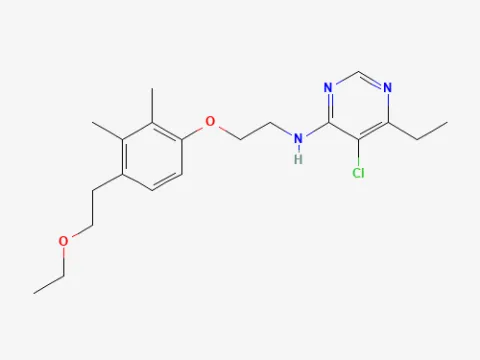
Pyrimidifen
Pyrimidifen belongs to the pyrimidine chemical class and acts as a specialized acaricide with significant insecticidal properties.
What the section contains
Pyrimidifen
The mechanism of action involves the inhibition of electron transport within the mitochondria of pests, which leads to the disruption of cellular respiration.
The substance possesses strong contact and stomach activity, allowing it to quickly neutralize pests moving on the leaf surface.
Pyrimidifen is characterized by translaminar activity, meaning it can penetrate leaf tissues to provide protection even if the spray coverage is not perfectly uniform.
It affects all mobile life stages of pests and also demonstrates significant ovicidal effects, effectively breaking the population reproductive cycle.
The primary use of pyrimidifen is the control of various phytophagous mite species that cause severe damage to horticultural and field crops.
The product shows high efficacy against spider mites, which frequently infest fruit trees, vineyards, and vegetable crops in open and protected environments.
The substance effectively suppresses other harmful mite species, including gall and rust mites, which are often difficult to control with standard agents.
Additionally, pyrimidifen exhibits insecticidal activity against specific sucking insects, such as whiteflies or certain species of aphids.
It is best suited for use within integrated pest management (IPM) systems that prioritize reliable mite control at low application rates.
The timing of pyrimidifen application should align with periods of high pest pressure, typically during the vegetative stage when early signs of mites appear.
For optimal efficacy, applications should be performed at the economic injury level, ensuring thorough wetting of all leaf surfaces.
Application rates vary depending on the specific crop type, plant density, and infestation level, necessitating strict adherence to the manufacturer's label instructions.
The number of seasonal applications is strictly regulated to prevent the development of pest resistance to this chemical group.
It is strongly recommended to rotate pyrimidifen with acaricides from different chemical classes that have different modes of action.
Pyrimidifen is a toxic compound, requiring the use of standard personal protective equipment for respiratory and skin protection during handling.
Applications must be avoided during periods of high bee activity and under high wind conditions to prevent spray drift into adjacent areas.
Pre-harvest intervals (PHI) specified for each crop must be strictly observed to ensure the safety of the final agricultural produce.
The substance is moderately hazardous to the aquatic environment, and measures must be taken to prevent runoff into natural water bodies or drainage systems.
Storage should be in original containers in a cool, dry place, keeping the product secured from unauthorized access and domestic animals.