
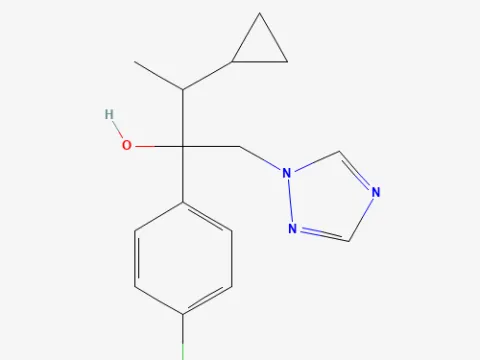
Cyproconazole
Cyproconazole is a systemic fungicide belonging to the triazole chemical class. It acts by inhibiting the biosynthesis of ergosterol, a crucial component of fungal cell membranes, which prevents the pathogen from growing and reproducing.
What the section contains
Cyproconazole
The substance exhibits strong systemic properties, allowing it to be absorbed by leaves and stems and translocated acropetally through the plant's vascular system. This ensures comprehensive protection for new growth.
Cyproconazole provides both curative and preventative activity. It stops the development of fungal mycelium within the plant tissues, effectively curbing the spread of an established infection.
The compound is highly resistant to being washed off by rain shortly after application, making it a reliable solution for various climatic conditions during the growing season.
Due to its chemical structure, it remains effective even at lower temperatures, which is particularly beneficial for early-season disease management in cereal crops.
This active ingredient has a broad spectrum of activity against various fungi, including rusts, powdery mildews, and leaf spot diseases. It is highly effective against many Ascomycetes and Basidiomycetes.
Primary crops for application include small-grain cereals (wheat, barley, rye), sugar beets, soybeans, and certain fruit crops where fungal pressure is a threat to yield.
In cereal production, it is widely used to combat brown rust, yellow rust, septoria blotch, and various forms of leaf spots like rhynchosporium and pyrenophora.
For sugar beet growers, cyproconazole is a critical tool in managing cercospora leaf spot, powdery mildew, and ramularia, which can significantly reduce sugar content and root size.
It is also utilized in vegetable production to control various foliar pathogens that compromise the health and marketability of the produce.
Application rates for cyproconazole vary depending on the specific formulation, the severity of the disease outbreak, and the crop's growth stage. Typically, doses range from 0.1 to 0.5 liters or kilograms of product per hectare.
It is best applied during periods of active plant growth, starting from the early tillering stage up to the flowering phase, depending on the specific disease monitoring data.
If the infection pressure remains high, a second application may be necessary after 14 to 21 days to extend the period of protection for the crop.
Thorough coverage of the foliage is essential for maximum efficacy. Proper calibration of spraying equipment is required to ensure consistent delivery of the fungicide across the field.
When mixing with other agrochemicals, ensure compatibility by performing a jar test and following the manufacturer's recommendations for order of addition.
Cyproconazole is classified as having moderate toxicity and requires careful handling to protect both the operator and the environment.
Operators must wear appropriate personal protective equipment (PPE), including gloves, goggles, and respirators, when preparing and applying the product.
Strict precautions must be taken to prevent drift into non-target areas, especially water bodies, to avoid contamination and potential harm to aquatic life.
To prevent the buildup of fungicide resistance in pathogens, it is recommended to rotate the use of cyproconazole with fungicides from different chemical families.
Always adhere to the specific pre-harvest interval (PHI) and re-entry interval (REI) specified on the product label to ensure food safety and worker security.