
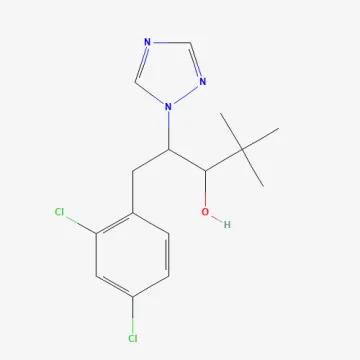
Diclobutrazol
Description
Mode of action
Diclobutrazol belongs to the triazole chemical class. It is widely recognized for its systemic fungicidal properties combined with significant plant growth regulating effects.
The primary mode of action involves the inhibition of ergosterol biosynthesis, an essential process for the structural integrity of fungal cell membranes, which halts disease development.
Upon application, the substance is absorbed into the plant tissues, providing systemic protection that travels throughout the plant to safeguard new growth.
In addition to controlling pathogens, it interferes with gibberellin synthesis, effectively shortening internodes and strengthening the plant stem to prevent lodging.
This dual action makes it a valuable tool in modern agronomy, allowing farmers to manage both the health and physical architecture of cereal crops during the growing season.
What it targets
Diclobutrazol is highly effective against a variety of fungal pathogens affecting small grain cereals, serving as a robust solution for crop disease management.
Its target spectrum includes several major diseases that can severely impact yield if left unchecked during the critical stages of grain development.
- Powdery mildew
- Brown rust
- Stem rust
- Septoria leaf blotch
- Rhynchosporium
By protecting foliage from these pathogens, the chemical ensures that the plant maintains its photosynthetic capacity throughout the vital filling stages of the grain.
The application is especially recommended in fields where high infection pressure and a need for lodging resistance coexist, providing a synergistic effect.
Rates and timing
Application rates vary depending on the formulation, crop growth stage, and the intensity of the disease pressure found in the agricultural fields.
Typically, the optimal timing for usage is during the tillering or stem elongation phases to maximize the benefit of the plant growth regulation properties.
Precision in application is essential, and farmers should ensure that spray equipment is calibrated to deliver a uniform coverage for the most reliable results.
When mixing with other agrochemicals, it is crucial to perform a compatibility check to prevent the formation of precipitates or reduced efficacy of the solution.
Regular monitoring of the crop following treatment is advised to assess the efficacy of the application and determine if subsequent protective measures are required.
Restrictions
Strict adherence to pre-harvest intervals is mandatory to ensure that pesticide residues in the final grain crop do not exceed established safety thresholds.
Avoid applying the product during periods of extreme environmental stress, such as severe drought or frost, as this may increase the risk of phytotoxicity.
Operators must wear appropriate personal protective equipment (PPE) during handling and application to prevent skin or respiratory exposure to the concentrate.
Environmental safety protocols must be followed to avoid runoff into local water sources or contamination of areas outside the target agricultural plots.
Always verify local regulations regarding chemical application to protect non-target species, including pollinators and beneficial insects, in the vicinity of the fields.
Status in the European Union
Not approved in the EU
- CAS number
- 66345-62-8
- Category (EU)
- FU - Fungicide
EU status is for reference only and does not replace national registration in your country.