
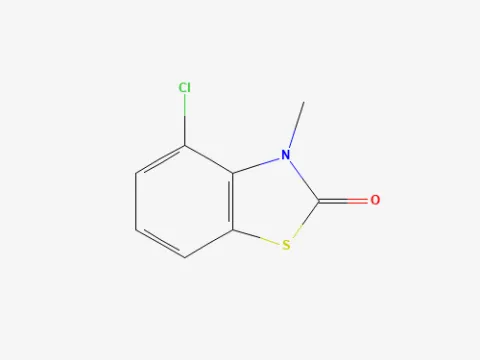
Chlobenthiazone
Chlobenthiazone is a specialized fungicide belonging to the benzothiazole chemical class. Its primary role is not to kill the pathogen directly but to inhibit its ability to form infection structures.
What the section contains
Chlobenthiazone
The mechanism of action is based on inhibiting the formation of appressoria in pathogenic fungi. Without these structures, the fungus loses its ability to penetrate the host plant's tissues effectively.
The product provides a strong protective effect, preventing the development of primary and secondary infection foci. Its efficacy depends heavily on timely application to intercept the pathogen before penetration.
The substance exhibits systemic properties and is capable of moving within plant tissues, ensuring continuous protection for young plant parts that grow after treatment.
Chlobenthiazone is highly resistant to being washed off by rain, which is a critical characteristic for rice cultivation in high-humidity environments.
The main target of Chlobenthiazone is Pyricularia oryzae, the causal agent of rice blast, which is one of the most destructive diseases in global rice production.
The product effectively prevents the infection of leaf blades, nodes, and panicles. Timely application preserves the integrity of the crop and ensures high yield potential.
Using Chlobenthiazone allows farmers to avoid substantial yield losses that can exceed 50% under heavy disease pressure conditions.
The substance also shows activity against several secondary fungal pathogens that frequently develop on rice plants under conditions of excessive moisture.
The spectrum of action is focused on specific fungi, leading to its frequent use within integrated pest management programs alongside other fungicide classes.
Recommended application rates depend on the disease pressure and the developmental stage of the crop. Typically, these range from 0.5 to 1.5 kg per hectare depending on the formulation.
The first application is usually carried out preventively before symptoms emerge. Subsequent treatments are scheduled based on weather conditions and crop status.
The most effective timing for application is during the tillering and panicle emergence stages, where the risk of rice blast infection is at its peak.
Compatibility tests are necessary when mixing with other chemicals. Chlobenthiazone is generally compatible with most standard insecticides used in rice paddies.
Ensuring high-quality coverage of the leaf surface with the spray solution is crucial, requiring a sufficient volume of water for optimal results.
When handling Chlobenthiazone, strict adherence to personal protective equipment protocols is mandatory to prevent skin and mucous membrane contact.
As the product is used in flooded conditions, water management in the paddies must be controlled to prevent the discharge of chemical residues into water bodies.
Pre-harvest intervals must be strictly followed according to the national regulatory requirements for pesticide application.
Application should be avoided during periods of high solar radiation or strong winds to minimize spray drift and ensure maximum efficacy.
Storage must be carried out in a dry, cool warehouse protected from access by unauthorized persons, children, and pets.