
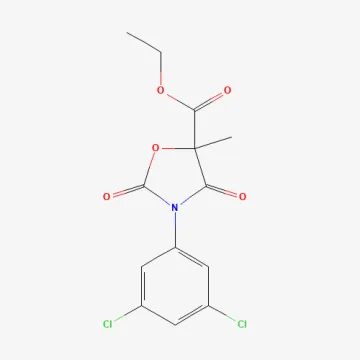
Chlozolinate
Description
Mode of action
Chlozolinate belongs to the dicarboximide class and acts as a contact fungicide with a pronounced protective effect. The substance actively prevents the germination of pathogenic fungal spores and the development of mycelium in plant tissues.
The mechanism of action is based on the suppression of metabolic processes in pathogen cells, specifically by inhibiting nucleic acid synthesis and disrupting cell division.
Formulations based on chlozolinate form a stable protective film on the surface of treated plant organs that is not washed off by precipitation immediately after drying.
The active ingredient has limited ability to penetrate plant tissues, which is why the primary focus in protection is on preventive application.
With systematic use, chlozolinate-based products demonstrate stable efficacy against a wide range of fungal infections, slowing the development of secondary infection foci.
What it targets
The chlozolinate group is effective against various types of rot, including gray mold (Botrytis cinerea), which causes significant damage to fruit, berry, and vegetable crops.
Products based on this substance are used to suppress pathogens of sclerotiniosis and other fungal diseases affecting the root system and aerial parts of plants.
The preparations successfully manage infections in protected ground crops, where the microclimate facilitates the rapid spread of fungal mycelium.
The agricultural value of chlozolinate lies in its utility within resistance management programs, helping combat fungal pathogens that have developed tolerance to other fungicide classes.
These fungicides are particularly in demand for growing grapes, strawberries, and greenhouse vegetables to prevent crop spoilage during the ripening period.
Rates and timing
The timing of treatments is determined by the phytosanitary condition of the crops and weather forecasts that favor the development of fungal infections.
Application rates for the product vary depending on the type of crop, the density of vegetative mass, and the level of infection on the target.
To achieve optimal results, it is essential to ensure uniform coverage of all plant parts with the working solution, including hard-to-reach areas.
The frequency of treatments must comply with the manufacturer's regulations for the specific crop to avoid exceeding residual limits.
Intervals between sprayings typically range from 10 to 14 days during periods of active crop growth when weather conditions are favorable for fungal development.
Restrictions
Working with chlozolinate requires adherence to standard safety procedures for handling pesticides, including the use of personal protective equipment for the skin and respiratory tract.
Spraying in windy weather or immediately before precipitation is prohibited to avoid pesticide drift onto adjacent fields or sensitive areas.
After treatment, it is strictly necessary to observe the pre-harvest intervals indicated in the instructions to ensure the safety of food products.
Products in this group should not be mixed with alkaline compounds to prevent a loss of efficacy of the active ingredient.
Disposal of leftover product and cleaning of equipment must be carried out in designated areas in accordance with regional environmental regulations.
Status in the European Union
Not approved in the EU
- CAS number
- 84332-86-5
- Category (EU)
- FU - Fungicide
- ADI
- 0.1 mg/kg bw/day
EU status is for reference only and does not replace national registration in your country.