
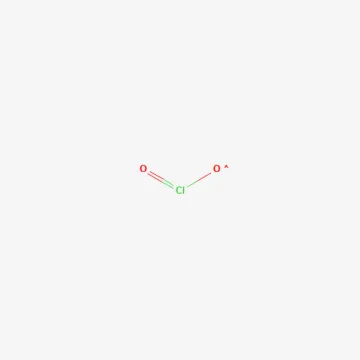
Chlorine dioxide
Description
Mode of action
Chlorine dioxide (ClO₂) acts as a potent oxidant with high efficacy against a broad spectrum of microorganisms. Unlike traditional chlorine agents, it operates primarily through a selective oxidation mechanism targeting specific cellular components.
Upon contact with aqueous solutions or plant surfaces, the substance interacts with pathogen cell membranes. It penetrates the cell wall, inducing oxidative stress that disrupts essential enzymes and nutrient transport processes.
A key advantage of this compound is its inability to form toxic organochlorine byproducts. This makes it an environmentally friendly and sustainable choice for modern intensive agricultural practices.
The mechanism also effectively destroys biofilms, which serve as reservoirs for bacterial colonies in irrigation systems. Its high solubility ensures deep penetration into hard-to-reach areas of irrigation infrastructure.
The substance remains active across a wide pH range, which is critical for compatibility with various nutrient solutions. The stability of the working solution ensures consistent fungicidal action during the entire treatment period.
What it targets
Chlorine dioxide is primarily utilized as a fungicide and bactericide for water and surface disinfection. Its target spectrum includes pathogenic fungi, bacteria, viruses, and algae that clog irrigation equipment.
The compound is highly effective in hydroponic systems, where the risk of root rot pathogens such as Pythium, Phytophthora, and Fusarium is significantly high. It suppresses these pathogens effectively without chemical residues.
It is also employed for disinfecting greenhouses, agricultural tools, and containers. This sanitation practice is crucial to prevent the spread of infectious diseases to young seedlings during transplanting.
In seed technology, chlorine dioxide is used for surface seed treatment. It successfully eliminates surface-borne pathogens while preserving the seed embryo and maintaining germination energy.
Implementing this agent reduces the overall infectious pressure in the root zone, creating a healthier environment for crop development and enhancing overall agricultural yield in both greenhouse and field conditions.
Rates and timing
Application rates for chlorine dioxide depend heavily on the quality of the water supply and the initial microbial load. Irrigation system disinfection typically requires concentrations ranging from 0.5 to 2.0 mg/L of active ingredient.
For greenhouse sanitization or equipment treatment, concentrations may be increased. An exposure time of 15 to 30 minutes is usually required to ensure the complete elimination of target microorganisms.
Seed treatment dosages are highly specific to each crop type and seed coat sensitivity. Preliminary toxicity tests are strongly recommended before scaling up the application to larger batches.
The frequency of application in fertigation systems is determined by water contamination levels. For preventative maintenance, the substance can be introduced in low doses during each irrigation cycle.
Waiting periods after facility disinfection are short due to the rapid decomposition of chlorine dioxide. However, standard ventilation of the treated areas is required before resuming crop-related activities.
Restrictions
The main limitation is the requirement to generate chlorine dioxide on-site. Due to its chemical instability in storage, the final solution cannot be stockpiled or transported for later use.
Strict concentration control during irrigation is essential, as overdose can cause root burns. Excessive levels may also interfere with the plant's uptake of essential micronutrients.
Personnel must wear appropriate personal protective equipment when handling concentrated precursors. The substance is irritating to the mucous membranes of the eyes and the respiratory tract.
Do not mix chlorine dioxide with other pesticides without verified compatibility testing. Its strong oxidative nature can degrade the active components of organic fungicides or herbicides.
Storage of precursor components must be in a cool, dry, and dark environment, protected from direct sunlight. Avoid contact with combustible materials to prevent hazardous chemical reactions.
Status in the European Union
Not approved in the EU
- CAS number
- 10049-04-4
- Category (EU)
- FU - Fungicide
EU status is for reference only and does not replace national registration in your country.