

Description
Mode of action
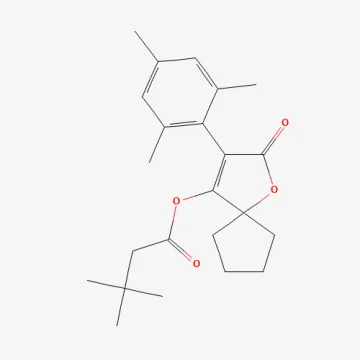
Spiromesifen belongs to the chemical class of ketoenols (tetronic acids). It is an innovative active ingredient that demonstrates high insecticidal and acaricidal efficacy.
The mechanism of action is based on the inhibition of lipid biosynthesis in the pest. By blocking the activity of the enzyme acetyl-CoA carboxylase, the compound disrupts metabolic processes in insects and mites.
The substance exhibits strong contact action. It effectively suppresses the development of pests at various life stages, including larvae and nymphs, and also provides a sterilizing effect on adult females.
An important characteristic is its translaminar activity. The compound can penetrate plant tissues, providing protection even if the leaf surface is not completely covered by the spray solution.
Since the product does not have systemic properties, thorough application to all vegetative parts of the plant is essential for optimal results.
What it targets
Spiromesifen is a specialized tool designed to combat a wide range of phytophagous mites, particularly spider mites, gall mites, and tarsonemid mites.
In addition to its acaricidal activity, it is highly effective against whiteflies, including greenhouse and tobacco whitefly biotypes, even against populations resistant to other insecticide classes.
The product is recommended for use on vegetable crops in both greenhouse and open field conditions, such as tomatoes, cucumbers, peppers, and eggplants.
It is also widely utilized for ornamental and floral crops, which are frequently susceptible to spider mite infestations in greenhouse environments.
The application of this product allows for effective population control, preventing outbreaks and minimizing crop damage in intensive farming systems.
Rates and timing
Application rates depend on the crop type, pest infestation levels, and the specific growing environment. Always follow the manufacturer's official labels.
Pre-harvest intervals (PHI) typically range from 3 to 7 days, allowing for application during the fruiting period provided that regulatory guidelines are strictly followed.
The number of applications per season is limited to prevent the development of pest resistance. It is recommended to rotate spiromesifen with products from different chemical groups.
The spray solution should be prepared immediately before use. Ensure uniform coverage of the plants, with special attention to the undersides of the leaves.
The best time for application is upon initial detection of pests, well before they reach the economic injury level.
Restrictions
Spiromesifen is considered to have low toxicity to mammals, but standard safety protocols must be followed when handling any plant protection products.
The substance is relatively safe for many beneficial insects and natural enemies, making it suitable for inclusion in Integrated Pest Management (IPM) programs.
Operators must wear appropriate personal protective equipment, including gloves, respirators, and goggles, when handling the concentrate or spray solution.
Avoid any drift into water bodies or drainage systems, as the compound may be hazardous to aquatic organisms at high concentrations.
Store the product in its original packaging in a cool, dry place, away from food, drink, and out of reach of children or unauthorized personnel.
Regulatory
Status in the European Union
Not approved in the EU
- CAS number
- 283594-90-1
- Category (EU)
- AC - Acaricide
- Approved from
- 01.10.2013
- Approval until
- 30.09.2023
- ADI
- 0.03 mg/kg bw/day
- ARfD
- 2.0 mg/kg bw
- AOEL
- 0.015 mg/kg bw/day
EU status is for reference only and does not replace national registration in your country.
Content graph
Connections · Spiromesifen
Most often together:
Marketplace