

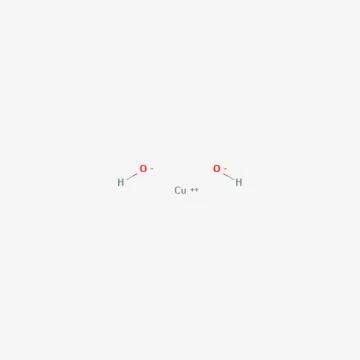
Description
Mode of action
Copper hydroxide belongs to the class of inorganic contact fungicides. Its efficacy is based on the ability to release copper ions that block enzymatic processes in fungal and bacterial cells.
The mechanism of action involves disrupting the pathogen's metabolism at early stages. Copper ions penetrate fungal spores and destroy their protein structures, preventing germination and further infection spread.
These preparations create a protective shield on the plant's surface. This layer acts as a barrier, preventing the pathogen mycelium from penetrating into leaf or stem tissues and protecting against primary infection.
A key feature is its multi-site mode of action, which significantly reduces the risk of resistance development in pathogens. This makes copper hydroxide a reliable, long-standing tool for agronomists.
The product has no systemic properties; therefore, thorough coverage of all plant parts with the working solution during spraying is essential for full protection.
What it targets
The primary use of copper hydroxide is the control of a wide spectrum of fungal and bacterial diseases in agricultural crops.
The product is effective against late blight and early blight on vegetables such as tomatoes and potatoes, as well as downy mildew on vineyards.
In fruit production, it is used to manage scab, monilia, peach leaf curl, and bacterial burn in orchard trees.
It is also utilized for protecting flower crops and ornamental shrubs against various leaf spot diseases that develop under high humidity conditions.
- Late blight
- Early blight
- Downy mildew
- Bacterial blight
- Monilia
Rates and timing
Application rates vary depending on the crop, the intensity of the disease pressure, and the equipment used for application.
Usually, working solutions are prepared by thoroughly dissolving the product in water under constant agitation to prevent sedimentation in the sprayer tank.
Spraying is recommended as a preventive measure before the first symptoms appear or when weather conditions become favorable for pathogen development.
Intervals between treatments depend on rainfall intensity and the plant's vegetative growth rate, typically ranging from 7 to 14 days.
Monitoring application quality is critical, as the protective effect occurs only where copper ions directly contact the plant surface.
Restrictions
The use of these products is limited by potential phytotoxicity: sensitive varieties or plants during the flowering stage may suffer burns from excess copper.
Copper hydroxide should not be mixed with highly acidic products or compounds that could destabilize the active ingredient's chemical formula.
It is not recommended to perform treatments at temperatures above 25–28 degrees Celsius, as the risk of leaf tissue damage increases.
Caution must be exercised when working near water bodies, as copper-containing compounds are toxic to fish and other aquatic organisms in high concentrations.
Personal protective equipment for respiratory and skin protection must be worn, and pre-harvest intervals specified in the product label must be strictly followed.
Regulatory
Status in the European Union
Approved in the EU
- CAS number
- 20427-59-2
- Approved from
- 01.01.2019
- Approval until
- 30.06.2029
EU legislation
EU status is for reference only and does not replace national registration in your country.
Content graph
Connections · Copper hydroxide
Most often together:
Marketplace
Products · 41

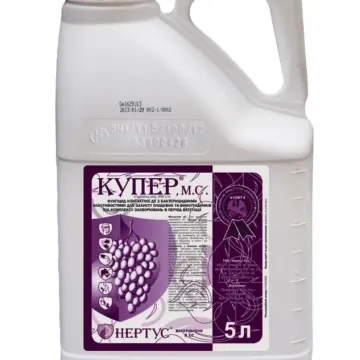
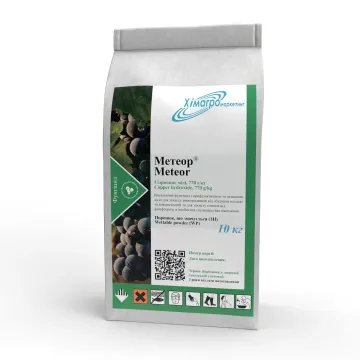

Gart
ТОВ «Фабрика агрохімікатів», Черкаси, Україна
Fungicides
0
0
·
1.5K
16 offers
13.49 €per 1 l
Buy

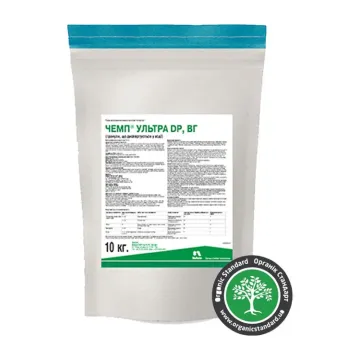
Chemp
Нуфарм Австралія Лтд. , Австралія (місце виробництва: Чілі
Fungicides
0
0
·
1.2K
6 offers
11.57 €per 1 l
Buy

Kulon
Три Дельта Компані Інтернешнл, Гонконг, Китай.
Fungicides
0
0
·
986
1 offer
14.37 €per 1 l
Buy


Patrol
Спейс-Уранія Кемікал ГмбХ, Гамбург, Німеччина
Fungicides
0
0
·
911
2 offers
6.61 €per 1 l
Buy


Copper, z.p.
Три Дельта Компані Інтернешнл, Гонконг, Китай.
Fungicides
0
0
·
59
1 offer
14.37 €per 1 l
Buy


Alpha-Copper
«Юнісіті Ентерпрайсіс Л.П.», Единбург, Великобританія
Fungicides
0
0
·
53
1 offer
10.2 €per 1 l
Buy






Copper 2000 w.p.
«Дюпон Інтернешнл Оперейшнз Сарл», Швейцарія
Fungicides
0
0
·
44
6 offers
7.14 €per 1 l
Buy




Chemp w.g.
Нуфарм Австралія Лтд. , Австралія (місце виробництва: Чілі
Fungicides
0
0
·
32
2 offers
15.59 €per 1 l
Buy


Lugol, ZP
Три Дельта Компані Інтернешнл, Гонконг, Китай.
Fungicides
0
0
·
26
2 offers
14.37 €per 1 l
Buy


Spartak
Шанхай Агрочайна Інтернешнел Трейд Ко., Лтд., Шанхай, Китай.
Fungicides
0
0
·
36
No offers
—
Details
