
Pasture spittlebug
Zulia pubescens
Description
How to identify
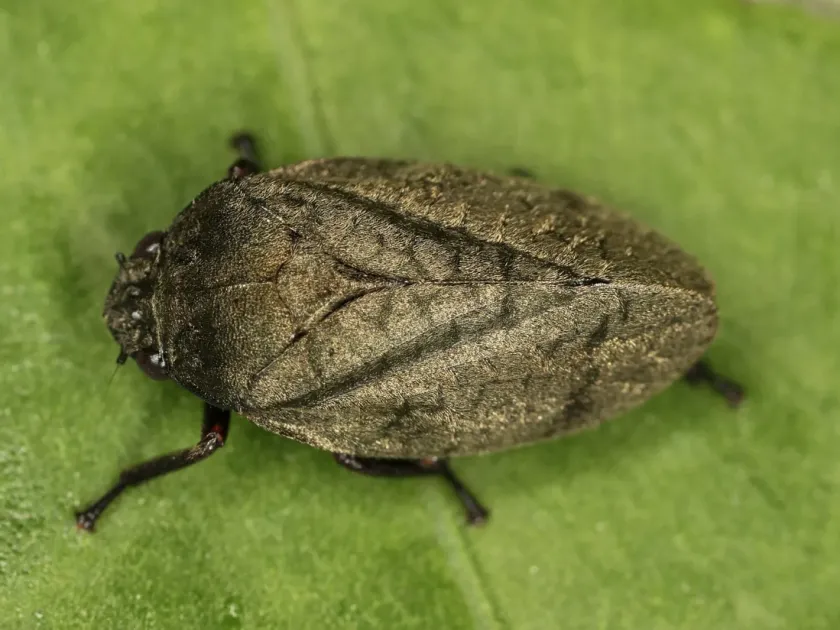
The pasture spittlebug (Zulia pubescens) belongs to the Cercopidae family, order Hemiptera. Adults are small, jumping insects that resemble cicadas in general body structure and movement patterns.
Adults exhibit color variations, typically ranging from dark brown to black, often with distinct orange or red markings on their wings. The nymphs are well-known for their unique ability to produce a frothy, spittle-like substance that covers them entirely.
What it damages
This pest is highly destructive to various forage grasses, including Sudan grass, pearl millet, and several perennial pasture species. It feeds by piercing plant tissues and extracting sap, which deprives the plant of essential nutrients.
Heavy infestations can devastate grazing lands, leading to a significant loss of biomass and reduced forage quality, which directly impacts livestock production efficiency in infested areas.
When it appears
The life cycle of the spittlebug is closely regulated by environmental factors, particularly moisture and temperature. Nymph emergence is highly correlated with the onset of the rainy season.
During dry seasons, the insect persists in the egg stage, which is laid in the soil or at the base of plants. As moisture increases, eggs hatch, and the rapid development of nymphs begins to correspond with the flush of vegetative growth in grasses.
Signs of infestation
The most visible indicator of an infestation is the presence of white, bubbly foam at the base of the stems or in the axils of the leaves. This foam protects the soft-bodied nymphs from dehydration and predators.
As the pests feed, they inject salivary enzymes that are toxic to the plant. This causes yellowing, chlorosis, and stunted growth, eventually leading to the death of the foliage and patches of dead or withered grass across the pasture.
Control measures
Integrated Pest Management (IPM) is essential for controlling Zulia pubescens, combining cultural, biological, and chemical strategies to reduce population density.
- Regular mowing or intensive grazing to remove the habitat (foam) of the nymphs.
- Application of biological control agents, specifically the entomopathogenic fungus Metarhizium anisopliae.
- Monitoring pest populations using specialized traps to determine the best timing for interventions.
- Strategic chemical control using approved insecticides when the economic threshold is exceeded.
Taxonomy
- Latin name
- Zulia pubescens
- Order
- Hemiptera (bugs, aphids, leafhoppers)
- Family
- Cercopidae
- EPPO code
- TOMAPU
Discussion
No discussions yet — be the first.