
Aeneolamia
Aeneolamia contigua
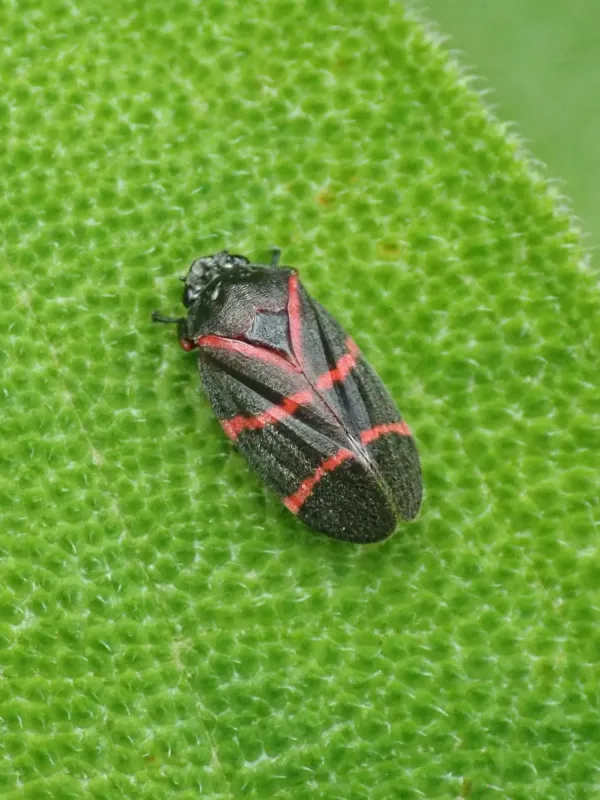
Description
How to identify
Aeneolamia contigua belongs to the order Hemiptera and the family Cercopidae, commonly known as spittlebugs. These insects are characterized by their jumping behavior and specialized anatomical structures typical for this family.
The larvae stage is defined by its cryptic lifestyle; they develop within protective frothy masses, often called spittle, which they produce around the stems of host plants. Adults are mobile, winged, and actively disperse to seek new feeding grounds.
The lifecycle of this pest is strictly regulated by environmental factors, especially in tropical and subtropical climates where high humidity and temperature drive rapid development.
Eggs of Aeneolamia are remarkably resilient, capable of surviving through dry seasons or unfavorable conditions, waiting for the return of moisture to resume the developmental cycle.
Due to multiple overlapping generations within a single growing season, the population can reach outbreak levels quickly, posing a significant challenge to farmers and agronomists.
What it damages
Aeneolamia contigua primarily targets graminaceous crops, with significant economic impact on sugarcane plantations and various types of forage grasses used for livestock feed.
Damage is inflicted by both nymphs and adults through piercing-sucking mouthparts, which extract vital sap from the roots and lower stems of the plants, disrupting nutrient transport.
Infested plants suffer from inhibited growth, leaf chlorosis, and wilting, as the mechanical damage and the injection of toxic saliva interfere with the physiological functions of the crop.
Widespread damage often leads to substantial yield losses, reduced sugar content in crops like sugarcane, and in severe cases, the death of large portions of the field.
The weakened state of the host plant makes it highly susceptible to secondary attacks by pathogens, which can exacerbate the total crop failure within the affected area.
Signs of infestation
The most distinctive sign of infestation is the presence of frothy, white, saliva-like clusters at the base of the stems or in the soil near the root zone.
Symptoms of plant stress include the yellowing of foliage starting from the margins, followed by stunted development and premature drying of the plant tissue.
Plants affected by Aeneolamia appear visibly weak and have a poorly developed root system, often losing their stability in the soil due to the damage caused by larvae.
If you observe the plants closely, you will find nymphs hidden inside their frothy structures; these protective masses are the key indicator of an active pest presence.
Adult insects can be seen on the foliage, particularly during the cooler parts of the day; their presence is a clear warning that an immediate intervention is necessary.
Control measures
Biological control methods, such as the application of entomopathogenic fungi like Metarhizium anisopliae, are highly effective in managing nymph populations in their natural habitat.
Cultural practices, including proper soil cultivation and field sanitation, help destroy the nesting sites of nymphs and reduce the overall pest pressure on the crops.
Chemical intervention should be based on economic thresholds, utilizing systemic insecticides that protect the plant internally against sap-sucking insects while minimizing impact on beneficials.
Monitoring programs using light traps and pheromone dispensers are essential for tracking adult activity and timing the application of control measures correctly.
- Implementing crop rotation to disrupt the pest's cycle.
- Removing weeds that serve as alternative hosts for the insect.
- Selecting resistant crop varieties where available.
Taxonomy
- Latin name
- Aeneolamia contigua
- Order
- Hemiptera (bugs, aphids, leafhoppers)
- Family
- Cercopidae
- EPPO code
- TOMAPO
Discussion
No discussions yet — be the first.