
Cercopis intermedia
Cercopis intermedia
Description
How to identify
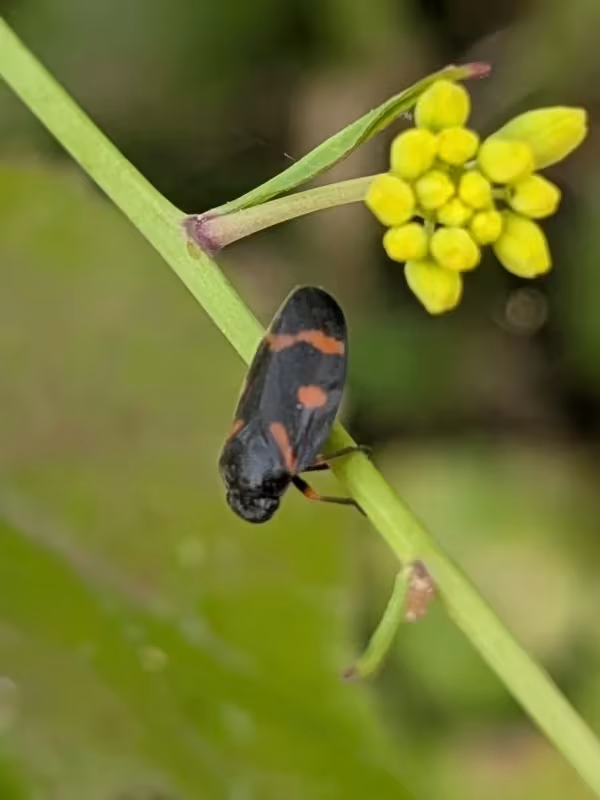
Cercopis intermedia is a species of froghopper (or spittlebug) belonging to the family Cercopidae. This insect is easily recognized by its distinctive black and bright red pattern on its wings.
Adults typically measure between 8 and 10 mm in length. They are highly active and possess strong jumping legs, allowing them to escape threats rapidly. Their body structure is robust, adapted for living on various plant surfaces.
The larval stage is known for producing a white, frothy substance often called "cuckoo spit." This foam provides a stable microenvironment, protecting the soft-bodied nymphs from desiccation and predators.
The life cycle involves eggs, nymphs, and adults. Eggs are usually laid in plant tissues or the upper soil layer, ensuring they survive through cold winter temperatures until the next spring.
Cercopids use their piercing-sucking mouthparts to feed on the xylem sap of host plants. This specialized feeding mechanism is what makes them potentially harmful to agriculture.
What it damages
This pest affects a wide range of plants, including herbaceous vegetable crops, berries, and various ornamental species found in both garden and agricultural settings.
By constantly sucking sap, the insects deprive the plant of vital nutrients and water. This leads to stunted growth, reduced leaf size, and overall physiological stress for the host plant.
Leaves often show signs of chlorosis, curling, or yellowing in areas where the insects have been feeding. In severe cases, the shoots may become twisted and brittle.
Cercopis intermedia is also suspected of being a vector for various plant pathogens. The transmission of these diseases can be far more damaging to the yield than the direct feeding of the insects themselves.
Large infestations can result in significant economic loss, particularly when the pest targets high-value horticultural crops during their most active growth phases.
When it appears
The activity begins in early spring when nymphs emerge from overwintered eggs. The characteristic foam nests start appearing on plant stems shortly after the first warm days.
Adult insects are most commonly observed during the summer months. This is when they migrate actively, mate, and search for new host plants to colonize for the remainder of the season.
The population reaches its peak during the mid-summer period. Environmental conditions such as moderate warmth and consistent moisture are ideal for the development of both the nymphs and adults.
By late summer and autumn, the number of active adults begins to decline as the life cycle completes and the females deposit eggs for the following year.
Monitoring should be conducted throughout the growing season, with special attention paid to early spring to catch the nymphs before they reach the adult, highly mobile stage.
Signs of infestation
The most reliable sign of an infestation is the presence of white, saliva-like foam on stems or leaf axils. The nymphs are always located inside or directly beneath this foamy layer.
Yellowing, distorted, or mottled foliage are common visual indicators of the damage caused by the insects feeding on the plant's sap. Affected plants often look weak compared to healthy ones.
Stunted growth or abnormal branching is frequently observed in heavily infested plants. When the xylem sap flow is disrupted, the plant struggles to develop new, healthy leaves and shoots.
Adult insects are visible upon closer inspection and will jump or fly away when the plant is lightly disturbed. This sudden movement is a clear sign that adults are present on the crop.
If productivity drops unexpectedly despite proper fertilization and irrigation, an inspection for froth-covered stems is essential to confirm the presence of this pest.
Control measures
Effective control starts with good hygiene. Removing weeds from the garden and field borders is crucial, as many wild plants serve as primary hosts for the nymphs in the spring.
Tilling the soil in late autumn can help destroy overwintering egg sites. Reducing the habitat available for the next generation is a key preventive measure in integrated pest management.
For chemical control, systemic insecticides may be used if the infestation exceeds economic thresholds. It is important to avoid spraying during flowering to protect pollinators.
For smaller gardens, a strong jet of water can be used to wash the foam and the nymphs off the plants, providing a simple and environmentally friendly way to reduce the population.
Encouraging natural predators, such as spiders and birds, can also help keep the population of Cercopis intermedia in balance within a sustainable ecosystem.
Taxonomy
- Latin name
- Cercopis intermedia
- Order
- Hemiptera (bugs, aphids, leafhoppers)
- Family
- Cercopidae
- EPPO code
- CRCOIN
Discussion
No discussions yet — be the first.