
Zeoliarus oppositus
Zeoliarus oppositus
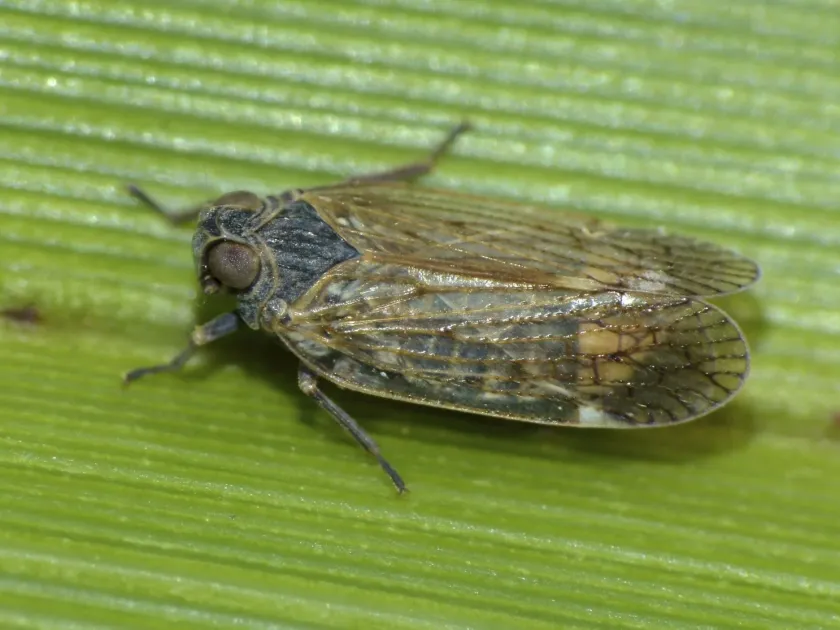
Description
How to identify
Zeoliarus oppositus belongs to the Cicadellidae family, commonly known as leafhoppers. These insects are characterized by their small size and ability to jump when disturbed, which makes them difficult to catch manually.
The adult insect has a streamlined body shape, well-developed wings for flight, and specialized hind legs adapted for jumping. The color typically blends in with their host plants to minimize predation.
Their life cycle includes egg, nymphal stages, and the adult stage. The transition through nymphal instars is completed on the host plant, often hiding on the underside of leaves or deep within the canopy.
They overwinter primarily as eggs, which are deposited in plant stems or the soil surface. This strategy ensures the survival of the population during harsh seasonal changes.
Identification is based on morphological characteristics, often requiring professional expertise or microscopic examination of the male genitalia to distinguish this species from similar leafhoppers.
What it damages
This leafhopper species feeds on a wide range of plants, primarily targeting grasses, cereals, and some broad-leaved crops. The feeding process involves piercing plant tissues with their stylets to suck sap.
Direct damage includes the removal of nutrients, which causes physiological stress to the plant, leading to stunted growth and potentially significant reductions in crop yield.
A major concern is that Zeoliarus oppositus acts as a vector for various plant diseases, including phytoplasmas and viruses, which can be devastating to agricultural production.
As they feed, they inject saliva that can be toxic to the plant, causing local tissue necrosis or broader chlorosis. This weakens the plant's defense mechanisms against other pathogens.
In cases of severe infestation, the cumulative damage leads to wilting, yellowing of foliage, and eventually the death of heavily affected sections of the crop.
When it appears
The seasonal appearance of Zeoliarus oppositus is highly dependent on temperature and moisture. Nymphs typically emerge in early spring as temperatures rise, signaling the start of the growth season.
Adult activity peaks during the warmer summer months. During this period, they are most mobile, spreading across different fields and expanding the range of infestation.
Environmental conditions play a crucial role in their population dynamics. Favorable weather can lead to multiple generations within a single season, significantly increasing pressure on crops.
As temperatures drop in autumn, their activity decreases significantly. The insects focus on reproductive activities to ensure the successful laying of eggs for the next year's cycle.
Effective pest management relies on monitoring these seasonal trends to apply control measures before the population reaches critical levels.
Signs of infestation
The most common sign of infestation is the appearance of small, white or yellow chlorotic spots on the leaves, known as stippling, resulting from the insect's feeding activity.
Stunted growth, leaf curling, and overall yellowing of the foliage are clear indicators that the plant is under stress from a sap-sucking pest infestation.
Presence can also be confirmed by spotting exuviae (cast-off skins) of the nymphs on the leaves, which are often left behind as the insects grow and molt.
- Chlorotic stippling on leaf surfaces.
- Deformed or curled leaves at the plant's terminal growth.
- Sticky honeydew secretions that may attract secondary fungi.
- General plant wilting and reduced vigor.
- Visible presence of insects when foliage is disturbed.
In cases where disease transmission occurs, plants may exhibit symptoms such as witches' broom, yellowing of veins, or overall physiological collapse.
Control measures
Integrated pest management (IPM) for Zeoliarus oppositus emphasizes cultural practices, such as removing weeds that act as alternative hosts for the pest.
Crop rotation and selecting appropriate sowing times are essential strategies to disrupt the pest's life cycle and reduce the likelihood of infestation.
Chemical control involving systemic insecticides is recommended when pest numbers cross the economic threshold, ensuring protection during the most vulnerable crop stages.
Biological control, by encouraging natural predators such as predatory bugs and parasitic wasps, can provide long-term suppression of the leafhopper population.
Regular monitoring using sticky yellow cards is a standard practice to track population trends and make informed decisions regarding the timing of insecticide applications.
Taxonomy
- Latin name
- Zeoliarus oppositus
- Order
- Hemiptera (bugs, aphids, leafhoppers)
- Family
- Cixiidae
- EPPO code
- ZEOLOP
Discussion
No discussions yet — be the first.