
Haplaxius pallidus
Haplaxius pallidus
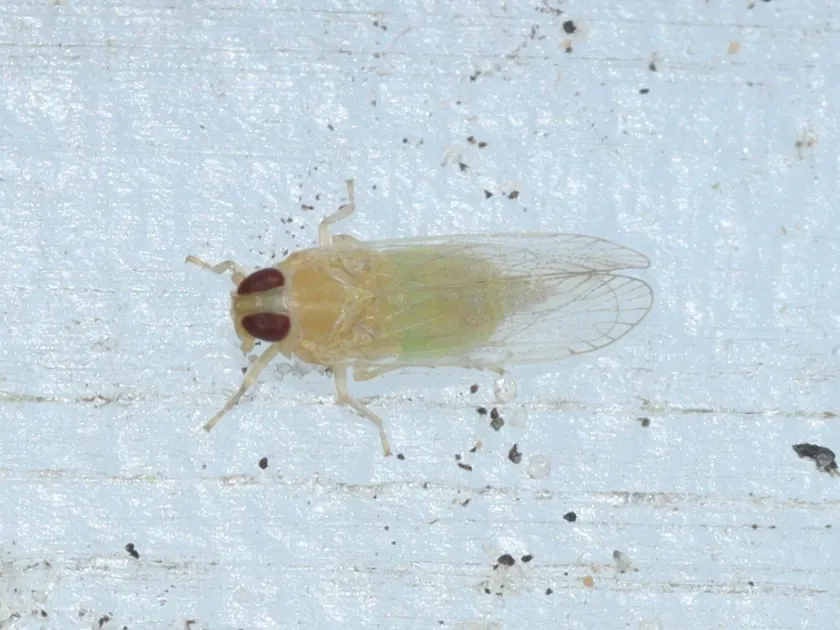
Description
How to identify
Haplaxius pallidus is an insect species belonging to the order Hemiptera and the family Cixiidae. These small, pale-colored planthoppers are known for their efficient ability to feed on the phloem sap of various plants.
Adults possess distinct wings and are highly mobile, allowing them to disperse across different crops during the growing season. They are often characterized by their light coloration, which acts as camouflage.
The immature stages or nymphs of this species primarily reside in the soil or the root zone. During this phase, they remain largely hidden, feeding on roots, which makes early detection a significant challenge for farmers.
As part of the Cixiidae family, Haplaxius pallidus is closely related to other known vectors of plant diseases. Accurate identification often requires expert analysis of adult morphology, particularly genital structures.
Understanding their taxonomy is crucial, as misidentification can lead to the implementation of ineffective pest control strategies, allowing the population to reach damaging levels.
What it damages
This pest affects a diverse range of crops, including nursery plants, small fruits, and certain trees. By piercing plant tissues to extract sap, they deprive the host of essential nutrients.
The most severe impact of Haplaxius pallidus activity is their potential role as vectors for phytoplasmas. These pathogens induce systemic diseases that can cause widespread yellowing and stunted growth.
Heavy infestations lead to leaf chlorosis, curling, and a general decline in plant vigor. This systemic stress reduces the photosynthetic capacity of the plants, ultimately resulting in significant yield losses.
Root damage caused by the nymphs weakens the plant's structural integrity, making it more susceptible to secondary infections from soil-borne pathogens and environmental stresses like drought.
In commercial settings, the presence of these insects can lead to quarantine issues, potentially causing the loss of entire batches of nursery stock due to the risk of pathogen transmission.
When it appears
The seasonal occurrence of Haplaxius pallidus is closely linked to temperature and moisture levels. Adults typically emerge from the soil in late spring and early summer as temperatures rise.
The life cycle can involve multiple generations in a single year, provided that climatic conditions remain favorable for both the insects and their host plants.
Peak population activity usually aligns with the period of high plant growth and sap circulation, which provides the necessary nutrition for the insects to thrive and reproduce.
As winter approaches, the insects move into sheltered environments, with many nymphs overwintering in the soil or under organic debris, waiting for the return of favorable conditions.
Monitoring programs are most effective when conducted from late spring through late summer to track population surges and determine the optimal timing for intervention.
Signs of infestation
Initial signs of infestation often include light-colored spotting on foliage, which progresses to yellowing or bronzing as the insects feed heavily on the plant's internal fluids.
Distorted, curling leaves and the stunting of young shoots are common indicators of Haplaxius pallidus activity, reflecting the internal disruption caused by their feeding.
The presence of honeydew on the leaves, which may later host sooty mold growth, is a classic sign of infestation by sap-sucking insects like planthoppers.
Visual confirmation involves inspecting the undersides of leaves or the base of the plant stem, where these insects tend to gather during their more sedentary periods.
Severe cases of phytoplasma infection, transmitted by these pests, may result in the characteristic proliferation of thin, weak shoots, often referred to as "witches' broom" symptoms.
Control measures
Good agricultural practices are the first line of defense, particularly the consistent removal of weeds that can serve as alternative host plants and reservoirs for both the insects and the pathogens they carry.
Systemic insecticides provide effective control when applied correctly, though it is critical to time these applications to avoid disturbing beneficial pollinators during the flowering stage.
Yellow sticky cards are a highly effective tool for monitoring population levels, helping growers make informed decisions about whether and when to initiate chemical control measures.
Rigorous quarantine and inspection protocols for all new plant material are essential to prevent the introduction of Haplaxius pallidus into uninfested orchards or nurseries.
Biological control strategies, such as fostering environments for natural predators like lady beetles and lacewings, can help maintain lower pest populations in integrated pest management systems.
Taxonomy
- Latin name
- Haplaxius pallidus
- Order
- Hemiptera (bugs, aphids, leafhoppers)
- Family
- Cixiidae
- EPPO code
- HAPXPA
Discussion
No discussions yet — be the first.