
Haplaxius serratus
Haplaxius serratus
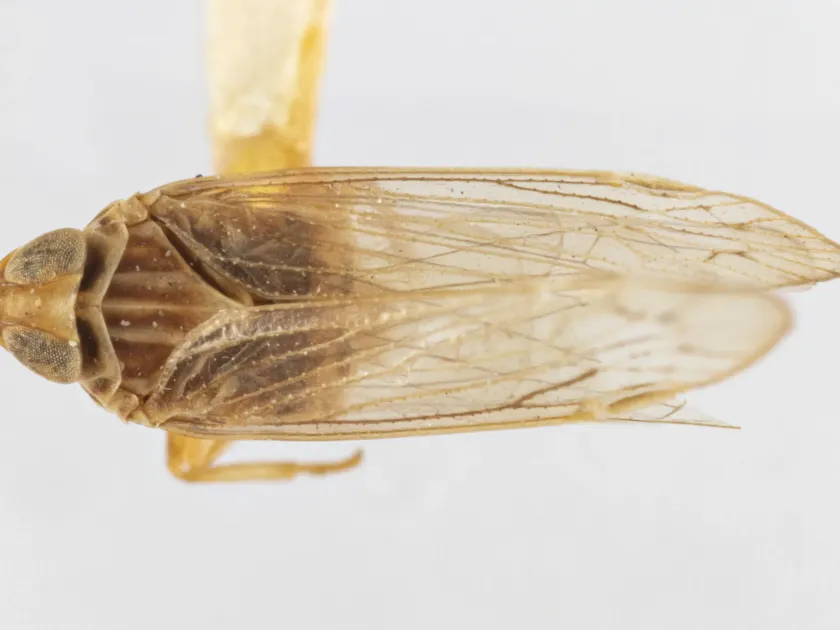
Description
How to identify
Haplaxius serratus is a species of insect belonging to the family Cixiidae within the order Hemiptera. These small planthoppers are recognized as significant pests in tropical agriculture primarily due to their role as vectors for phytoplasmas.
The adult form is a small insect characterized by transparent wings and a piercing-sucking mouthpart. They are well-adapted for feeding on the phloem sap of host plants, a biological habit that facilitates the transmission of systemic plant pathogens.
The life cycle of Haplaxius serratus involves an egg stage, several nymphal instars, and the adult stage. The nymphs are typically found in the root zone or the base of the palms, often remaining hidden and protected from direct contact with foliage sprays.
Adult planthoppers are highly mobile and move between host plants, which is the primary mechanism for the rapid spread of diseases within a palm plantation. Their activity is heavily influenced by environmental conditions, with peak populations occurring during humid seasons.
Identifying this species requires specialized knowledge of planthopper morphology. In field conditions, experts rely on sticky traps and canopy inspections to detect the presence of the insect before significant population outbreaks occur.
What it damages
The primary hosts for Haplaxius serratus are palm species (Arecaceae), with coconut palms being the most susceptible and economically important targets. The damage caused is often irreversible due to the associated disease transmission.
The most devastating consequence of Haplaxius serratus feeding is the transmission of the phytoplasma responsible for lethal yellowing disease. This pathogen clogs the vascular tissues, preventing the flow of nutrients and eventually killing the palm.
Both nursery-grown seedlings and mature fruit-bearing palms are vulnerable to the insect. Once a plantation is infested, the disease can spread rapidly, leading to high mortality rates among the trees if not managed promptly.
While the physical feeding damage itself is minor compared to the disease transmission, the cumulative impact of the pest population can weaken plant vigor. This makes the host palms more susceptible to environmental stress and secondary fungal infections.
The economic impact is profound, threatening the livelihoods of farmers who depend on palm oil and coconut production. Controlling this vector is a global priority in agricultural research.
Signs of infestation
Early symptoms of infection linked to Haplaxius serratus activity include the premature dropping of coconuts, which occurs even while the fruit appears healthy. Discoloration and necrosis of the inflorescences are also common early warning signs.
The classic symptom of the lethal yellowing disease is the progressive yellowing of lower leaves, which gradually spreads upward. Eventually, the heart leaf collapses, leading to the death of the entire tree canopy.
In the field, the presence of the insect can be detected by examining the base of the fronds and the trunk. However, because their numbers can be relatively low, they are often overlooked until the associated disease symptoms appear.
Regular monitoring of the palm canopy using yellow sticky cards is essential for early detection. The density of trapped adults provides a clear indicator of the infestation pressure within the specific area.
Confirmation of the pest presence often goes hand-in-hand with diagnostic molecular testing for the phytoplasma, ensuring that management actions are based on accurate data.
Control measures
Management of Haplaxius serratus requires a rigorous, multi-faceted approach. Because there is no known cure for the disease it transmits, prevention remains the most effective strategy for plantation health.
- Systemic insecticide applications applied to the canopy to reduce adult populations during peak periods.
- Sanitation protocols, including the immediate felling and removal of infected palms to eliminate the disease reservoir.
- Strict quarantine regulations to restrict the movement of plant material from infested areas to disease-free zones.
- Continuous monitoring using traps to inform the timing and frequency of necessary chemical interventions.
Research into biological controls and resistant palm varieties continues, but currently, integrated pest management remains the standard for limiting the spread of this dangerous insect vector.
Taxonomy
- Latin name
- Haplaxius serratus
- Order
- Hemiptera (bugs, aphids, leafhoppers)
- Family
- Cixiidae
- EPPO code
- HAPXSE
Discussion
No discussions yet — be the first.