
Cixius
Cixius
Description
How to identify
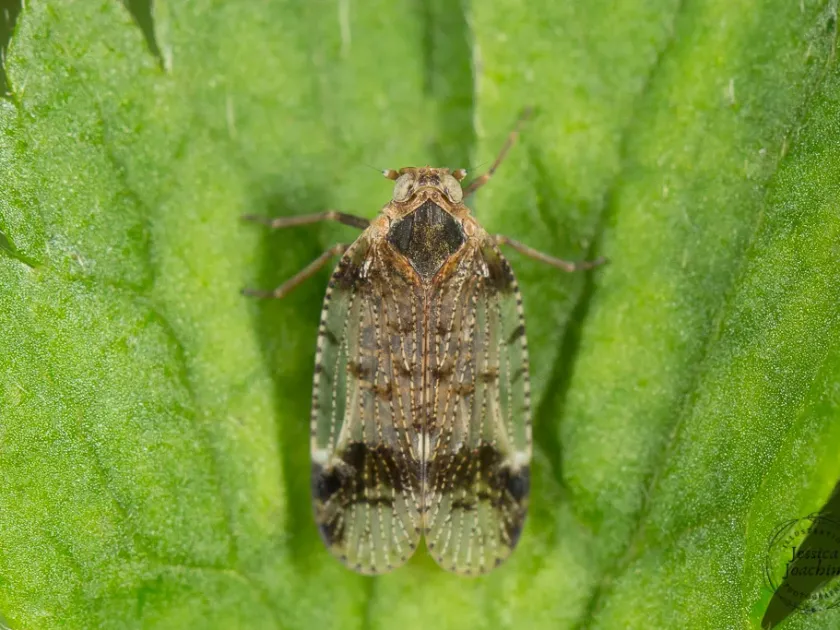
Cixius is a genus of insects belonging to the family Cixiidae within the order Hemiptera. These small insects are often referred to as planthoppers due to their jumping and flying habits.
Adult Cixius typically measure between 5 and 8 millimeters in length. Their appearance is characterized by transparent, roof-like wings and a color range from brownish to black.
The nymphs of this genus live in concealed environments, primarily within the soil or deep inside thick organic debris, where they feed on the root sap of host plants.
Identifying species within the Cixius genus is challenging and often requires professional examination of the male reproductive structures to distinguish one species from another.
As true bugs, they possess a specialized piercing-sucking mouthpart designed to extract fluids from vascular plant tissues, which is also the primary mechanism for transmitting pathogens.
What it damages
The primary concern regarding Cixius is not direct tissue damage but their role as efficient vectors for phytoplasma diseases, such as the bois noir in grapevines.
These pests target a wide variety of plants, including fruit trees, grapevines, and various ornamental or wild shrubs, causing severe physiological stress to the host.
When an infected Cixius feeds on healthy tissue, it injects phytoplasmas, leading to symptoms like yellowing, curling leaves, stunted shoot growth, and poor fruit development.
In addition to disease transmission, the nymphs feeding on root systems can diminish the plant's overall vigor, making it susceptible to secondary infections and drought stress.
A single infestation event can lead to rapid spread across a plantation, making Cixius a significant economic threat to modern horticultural operations.
When it appears
The life cycle of Cixius typically involves overwintering as nymphs tucked away in the soil or protected leaf litter, which provides insulation against harsh winter temperatures.
Activity resumes in early spring when warming temperatures trigger the nymphs to increase their feeding rate on roots, facilitating their final developmental stages.
Adult emergence generally occurs between late spring and early summer, creating a peak period for migration and pathogen transmission within the crop canopy.
The insects are most active during the warmer months, with overlapping generations possible in favorable southern climates where winters are mild.
The lifecycle concludes as adults mate and lay eggs, ensuring the next generation of nymphs will settle into the soil to begin the cycle once more.
Signs of infestation
Visible symptoms often include early chlorosis or yellowing of the foliage, which may eventually progress to necrosis as the phytoplasma disrupts nutrient transport.
Plants affected by the diseases vectored by Cixius often show significant fruit deformation, lower sugar content, and a reduction in total crop yields.
During field inspections, one can spot adults on the underside of leaves; they are easily spooked and will fly or jump away immediately upon disturbance.
Severe infestations might result in the phenomenon known as "witches' broom," where excessive proliferation of thin, weak shoots appears due to hormonal imbalances caused by infection.
Small exit holes or signs of disturbance in the topsoil near the base of the plant can sometimes indicate the presence of developing nymphs in the subterranean layers.
Control measures
Management strategies focus on reducing the host reservoir by eliminating weeds that serve as refuge for both nymphs and phytoplasmas in the surrounding area.
Systemic insecticides are recommended for application during the adult flight peak to minimize the chance of successful pathogen transmission to healthy vines or trees.
Cultivation practices such as regular soil tillage can disrupt the habitat of nymphs, significantly lowering the population density in the soil environment.
Monitoring using yellow sticky traps is a standard practice for agronomists to determine the precise timing for targeted chemical or biological interventions.
- Utilizing certified disease-free planting stock.
- Implementing frequent weed control in orchard borders.
- Applying insecticides during the peak of adult activity.
- Encouraging natural predators like parasitic wasps and spiders.
Taxonomy
- Latin name
- Cixius
- Order
- Hemiptera (bugs, aphids, leafhoppers)
- Family
- Cixiidae
- EPPO code
- CIXISP
Discussion
No discussions yet — be the first.