
Cixius wagneri
Cixius wagneri
Description
How to identify
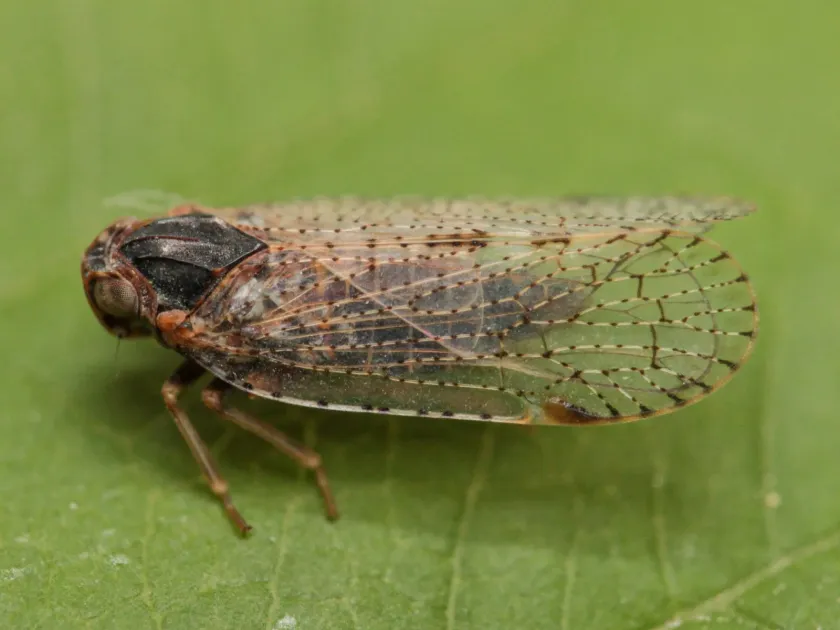
Cixius wagneri is a planthopper species belonging to the Cixiidae family of the order Hemiptera. Adults are small insects, typically measuring 5–7 mm in length, possessing a distinctively keeled head and transparent, highly veined wings.
The coloration of the adults ranges from dark brown to nearly black, allowing them to blend seamlessly into tree bark and foliage. A key diagnostic feature is the presence of specialized spines on the hind tibiae, which are characteristic of this genus.
The nymphs of this species lead a cryptic lifestyle, primarily residing in the soil or within the leaf litter layer. They appear whitish or yellowish and have mouthparts adapted for feeding on plant roots underground.
Adults are excellent jumpers, exhibiting rapid movement when disturbed. Their overall activity is heavily dependent on ambient temperature and environmental moisture levels.
Proper identification usually requires careful inspection of the undersides of leaves and shadowed areas of the plant, where adults typically seek shelter during the day to avoid direct light.
What it damages
This pest affects a wide range of woody plants and shrubs, including fruit-bearing trees like apples and pears, as well as various berry bushes. In forest habitats, they are frequently found on deciduous trees.
Damage is caused by both adults and nymphs feeding on plant sap. This feeding process weakens the overall health of the tree, resulting in stunted growth and reduced vigor of new shoots.
Heavy infestations can lead to the deformation of leaf blades and premature yellowing. Furthermore, damaged tissues are significantly more susceptible to subsequent fungal and bacterial infections.
A major concern is the transmission of phytopathogens. Like many other planthoppers, this species can act as a vector for various viral and mycoplasma-like diseases that cause branch dieback and overall plant decline.
Economic damage is most significant during seasons with favorable climatic conditions for population growth, which can lead to widespread infestation across entire plantations.
When it appears
The life cycle typically includes one generation per year. Nymphs of various instars overwinter in the upper soil layers or within organic debris at the base of the plant.
During the spring, as temperatures rise, the nymphs resume feeding on roots. The process of pupation takes place either in the soil or near the root collar of the host plant.
Adult emergence typically occurs in early summer, with peak activity observed throughout June and July. During this time, they migrate to the aerial parts of the plant to mate and feed.
Eggs are laid in cracks in the bark, on leaf surfaces, or directly into the soil, depending on local conditions. Females lay eggs in small clusters to ensure survival.
By autumn, adult numbers decline significantly, and the newly hatched nymphs descend into the soil to prepare for the overwintering phase.
Signs of infestation
A primary sign of infestation is the presence of honeydew, a sticky secretion left behind by the insects, which encourages the growth of sooty mold. A black, crusty coating on leaves or bark is a strong indicator of pest presence.
Visual inspection of bark during June often reveals clusters of adult insects. If branches are shaken, a mass exodus of the insects, resembling small flies, is commonly observed.
Chlorotic spots or small puncture marks on the undersides of leaves are diagnostic signs of feeding. In severe cases, leaf curling may occur as the plant tissue sustains cumulative damage.
Reduced shoot growth and subpar fruit development are often indirect signs that the root system has been weakened by nymphal feeding over an extended period.
- Presence of sooty mold growth on leaves and stems.
- Small puncture marks on the underside of foliage.
- Massive scattering of insects when branches are disturbed.
- Noticeable stunting of annual growth.
Control measures
Management should focus on cultural practices. Regularly removing organic debris and cultivating the soil around the tree base helps disrupt the life cycle of overwintering nymphs.
Maintaining overall tree health through adequate irrigation and nutrient management is vital, as healthy plants can better withstand and recover from pest feeding.
When populations exceed economic thresholds, systemic insecticides may be necessary. Applications should be timed to coincide with peak nymph emergence or early adult activity.
Biological control agents, such as entomopathogenic fungi, offer a viable and environmentally friendly alternative to chemical interventions, especially in private gardens.
Monitoring using yellow sticky traps allows growers to detect the initial arrival of the pest, enabling timely interventions before the infestation spreads throughout the plantation.
Taxonomy
- Latin name
- Cixius wagneri
- Order
- Hemiptera (bugs, aphids, leafhoppers)
- Family
- Cixiidae
- EPPO code
- CIXIWA
Discussion
No discussions yet — be the first.