
Cixius distinguendus
Cixius distinguendus
Description
How to identify
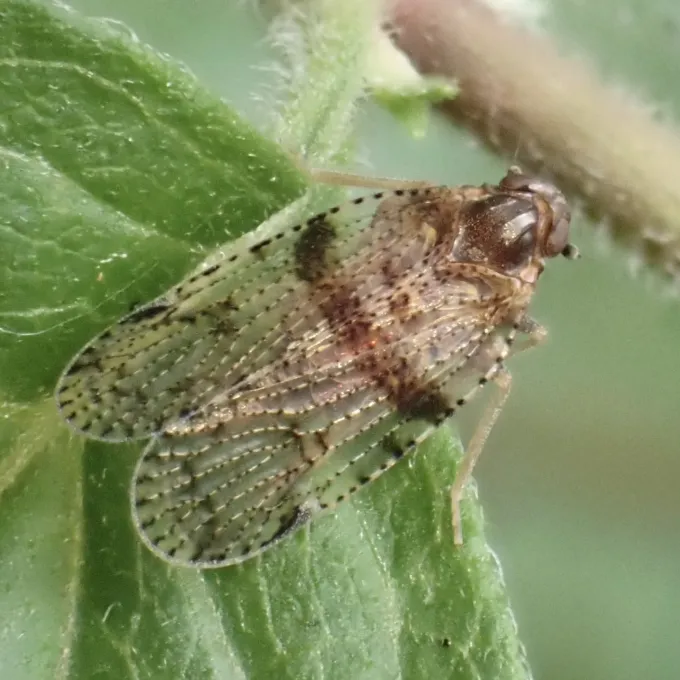
Cixius distinguendus belongs to the Cixiidae family within the order Hemiptera. These small insects are characterized by their transparent wings featuring distinct venation patterns, which are typical for planthoppers.
Adults typically exhibit brown or yellowish coloration, often marked with dark spots. They possess prominent compound eyes, which are essential for navigating their environment and locating suitable host plants for feeding.
The nymphs lead a secretive, subterranean lifestyle, living primarily in the soil or beneath organic debris. They feed on the root systems of plants, and their bodies are adapted for moving through small soil pores.
The life cycle includes egg, nymphal stages, and adult phases. Overwintering typically occurs in the nymphal stage within the upper soil layers or root zones of perennial plants, providing protection from harsh winter weather.
These insects are most active during warmer months. They thrive in moderately moist environments, which support the development of nymphs in the soil and contribute to the population growth of the species.
What it damages
The primary damage is caused by the extraction of sap from the vascular system of host plants. Adults feed on aerial parts like leaves and shoots, which can cause tissue deformation and overall plant stress.
Nymphs, by feeding on roots, weaken the plant's ability to uptake water and nutrients. This impact is particularly detrimental to young seedlings and vegetable crops during their sensitive early growth phases.
Beyond mechanical injury, Cixius distinguendus serves as a vector for various phytoplasmas and plant viruses. Even small populations can trigger significant outbreaks of diseases that are far more damaging than the sap feeding itself.
Sensitive crops include fruit trees, berry bushes, and various vegetables. Heavily infested plants often show stunted growth and decreased photosynthetic efficiency, which lowers overall production.
Mass infestations can result in premature leaf drop and fruit abscission, significantly reducing the commercial value of the harvest and the general resilience of the agroecosystem against environmental stressors.
Signs of infestation
The most noticeable sign of infestation is the presence of adult planthoppers on the undersides of leaves, which readily jump or fly away when the plant is disturbed.
Small chlorotic spots or punctures on leaves are common indicators of adult feeding activity. Over time, these spots may undergo necrosis or cause the leaves to wilt significantly.
Stunted plant growth without clear pathogenic symptoms often points to root feeding by nymphs. When plants fail to respond to standard fertilization, subterranean pest activity should be investigated.
White, wax-like secretions near the soil surface or base of the plant often indicate the presence of nymphal activity, serving as a warning sign for growers to conduct more thorough inspections.
Symptoms such as leaf curling or mosaic patterns suggest that the insects may have already transmitted viral pathogens, requiring urgent phytosanitary intervention to prevent further spread.
Control measures
Integrated pest management begins with strict weed control, as many wild plants serve as reservoirs for Cixius distinguendus during the off-season or early spring.
Cultivation practices, including deep soil tillage in autumn and regular harrowing in spring, disrupt the development of nymphs in the soil and help reduce their overwintering success.
Systemic insecticides should be applied only when population thresholds are exceeded. Applications are most effective when timed with the emergence of nymphs from the soil.
Yellow sticky traps are excellent tools for monitoring adult flight activity, allowing agronomists to make informed, data-driven decisions regarding the timing of chemical or biological treatments.
Encouraging the presence of natural enemies, such as lady beetles and predatory bugs, is a sustainable approach to keeping planthopper populations below economic injury levels in orchards and fields.
Taxonomy
- Latin name
- Cixius distinguendus
- Order
- Hemiptera (bugs, aphids, leafhoppers)
- Family
- Cixiidae
- EPPO code
- CIXIDI
Discussion
No discussions yet — be the first.