
Haplaxius
Haplaxius
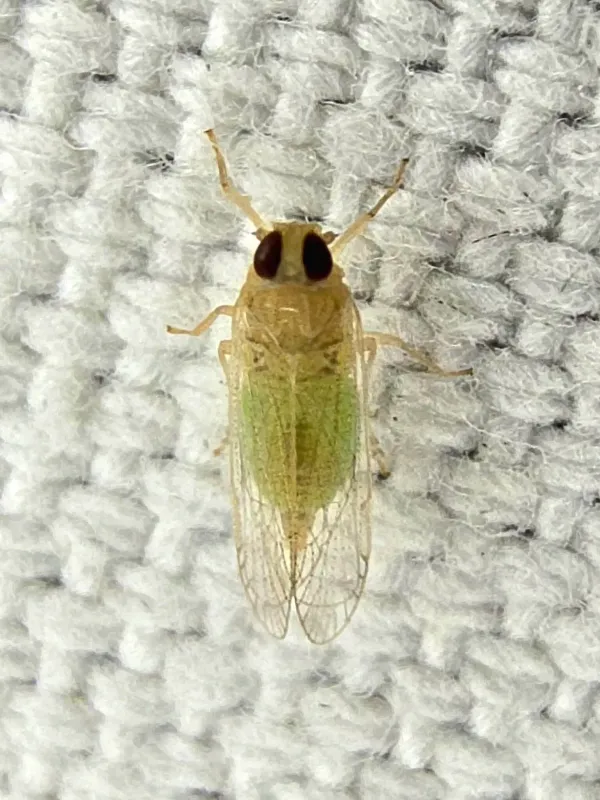
Description
How to identify
Haplaxius is a genus of insects belonging to the family Cixiidae within the order Hemiptera. These small, plant-hopping insects are significant in agricultural entomology due to their role as vectors for various plant pathogens.
The adult insects are characterized by their winged form, which enables them to move efficiently between host plants. They are often cryptic, blending into the bark or foliage of their host environment.
The nymphal stages are predominantly subterranean, dwelling in the soil and feeding on the root systems of host plants. This life stage is particularly difficult to detect and manage using conventional surface sprays.
With a specialized piercing-sucking mouthpart, these insects are evolved to tap into the phloem vessels of plants, which is the primary route for the transmission of systemic plant diseases like phytoplasmas.
The taxonomic classification of Haplaxius is critical in quarantine procedures, as their movement across regions can result in the introduction of devastating plant diseases that threaten commercial palm industries.
What it damages
The primary hosts of Haplaxius are various species of palm trees, which are often subjected to significant physiological stress when these insects colonize them in large numbers.
The direct feeding damage, where insects extract plant sap, leads to a reduction in vigor and general decline of the plant, especially in high-density ornamental or plantation settings.
The most severe impact is indirect: Haplaxius serves as a vector for phytoplasmas, which cause lethal systemic diseases that eventually kill the plant by disrupting its vascular transport.
Larval feeding on the root system causes secondary damage, limiting the plant's ability to absorb water and essential nutrients, which further exacerbates the decline caused by adult feeding.
Plantations and urban landscapes suffer economic and aesthetic losses, as the damage caused by these insects often renders the affected palms unsalvageable, necessitating complete removal.
Signs of infestation
Yellowing of the leaves (chlorosis) is a primary symptom, typically starting from the canopy downwards as the vascular system becomes increasingly compromised by pathogens.
Premature dropping of fruit and the withering of inflorescences are common indicators that the plant is suffering from a systemic issue often associated with the presence of Haplaxius.
Adult populations can be observed on the undersides of leaves or along the trunk, especially during peak activity seasons when temperatures favor their reproduction and movement.
Root system decline, often unnoticed until the tree loses stability or shows signs of wilting, indicates an established infestation of nymphs in the soil surrounding the base of the plant.
Chronic stunting of growth and a lack of new leaf production are telltale signs that a palm is being continuously attacked by these insects, leading to a long-term decline in plant health.
Control measures
Integrated Pest Management (IPM) for Haplaxius relies heavily on the use of yellow sticky traps to monitor population density and determine the precise timing for chemical interventions.
Systemic insecticides are considered the most effective control method, as they are absorbed by the plant and provide protection against the insects that feed on the phloem sap.
Sanitation is a vital component of control; infected trees that harbor pathogens should be removed and destroyed to prevent the spread of the disease to neighboring healthy palms.
Biological controls, including the use of specific entomopathogenic fungi, are being explored as a means to suppress larval populations in the soil, reducing the overall pressure on the root systems.
- Monitor populations using yellow sticky traps.
- Apply systemic insecticides to host plants.
- Remove and destroy highly infested or infected plants.
- Maintain a weed-free zone around palm bases.
- Promote the health of palms to increase natural resistance.
Taxonomy
- Latin name
- Haplaxius
- Order
- Hemiptera (bugs, aphids, leafhoppers)
- Family
- Cixiidae
- EPPO code
- HAPXSP
Discussion
No discussions yet — be the first.