
Jamaican palm cixiid
Haplaxius jamaicae
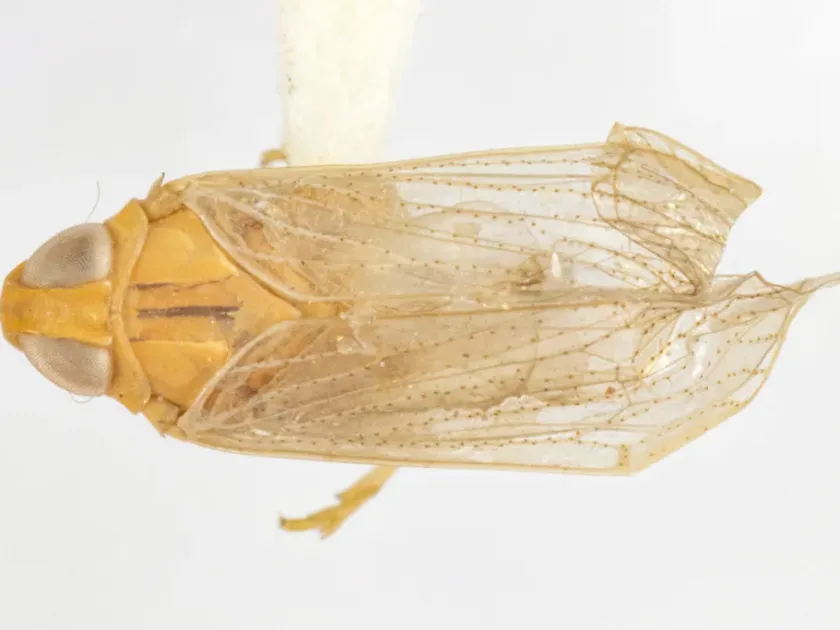
Description
How to identify
The Jamaican palm cixiid is a small insect belonging to the order Hemiptera and the family Cixiidae, known for its role in agricultural damage.
Adults possess specialized piercing-sucking mouthparts, which they use to extract nutrients from the phloem of host palm trees.
These insects are relatively small and lead a cryptic lifestyle, making them difficult to spot during routine plantation inspections.
The life cycle includes the egg stage, several nymphal instars, and the winged adult stage, with nymphs often inhabiting soil or root areas.
Their ability to travel on wind currents allows them to spread rapidly across geographical areas, posing a constant threat to palm cultivation.
What it damages
The primary host for this pest is the coconut palm, which is a vital crop for many tropical economies around the world.
It can also colonize other species of ornamental and wild palms, which act as secondary reservoirs for the insects and associated pathogens.
The most devastating impact is the transmission of phytoplasmas, which are microscopic pathogens responsible for lethal yellowing disease.
Once infected, palms exhibit rapid decline, leading to total plantation loss if not managed aggressively at the very beginning.
Direct feeding also causes minor physical damage, but the vector-borne disease impact far outweighs the mechanical injury caused by the insects.
Signs of infestation
The earliest symptom is the discoloration of the oldest leaves, which turn yellow and gradually wither while the rest of the canopy remains green.
As the disease progresses, the yellowing spreads rapidly to the younger leaves, leading to the eventual collapse of the entire crown.
Premature fruit drop is a common indicator of significant stress, as the palm loses the ability to support its development due to vascular failure.
The death of the spear leaf and the eventual decay of the apical meristem signal that the tree is beyond recovery.
Detection is often achieved through sticky card traps placed within the canopy or by carefully inspecting the base of the palm fronds.
Control measures
Managing the Jamaican palm cixiid requires a multi-faceted approach, emphasizing prevention and early detection in susceptible regions.
Systemic insecticides are frequently employed to reduce insect populations and minimize the transmission rate of phytoplasmas.
Strict sanitation measures, including the immediate removal of infected trees, are essential to break the cycle of infection within the grove.
Quarantine and movement restrictions on palm nursery stock are crucial to prevent the pest from colonizing new areas.
- Regular monitoring with yellow sticky traps.
- Systemic insecticide injections for trunk protection.
- Removal and destruction of symptomatic palm trees.
- Promoting natural predator populations in plantation edges.
Taxonomy
- Latin name
- Haplaxius jamaicae
- Order
- Hemiptera (bugs, aphids, leafhoppers)
- Family
- Cixiidae
- EPPO code
- HAPXJA
Discussion
No discussions yet — be the first.