
Wesmaelius nervosus
Wesmaelius nervosus
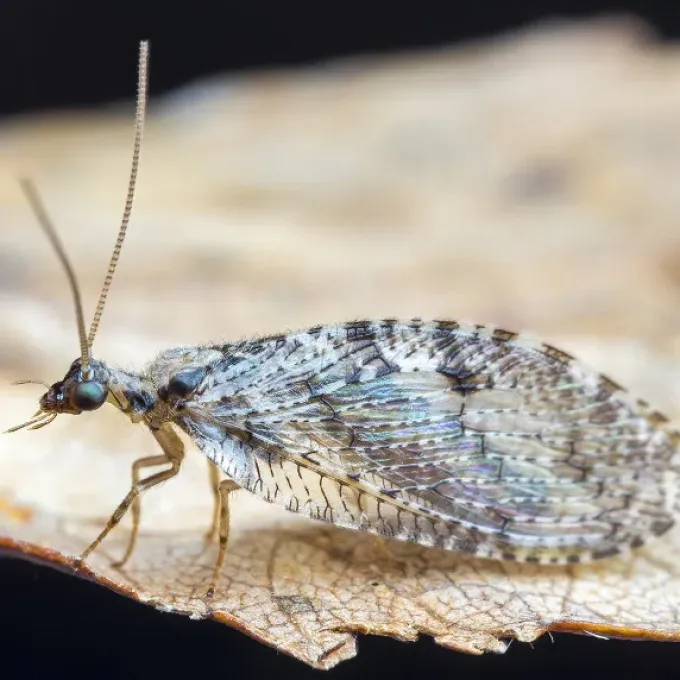
Description
How to identify
Wesmaelius nervosus is a member of the Hemerobiidae family, commonly known as brown lacewings, belonging to the order Neuroptera. These insects are characterized by their intricate wing venation and brownish, cryptic coloration.
The adults are relatively small, often nocturnal, and possess chewing mouthparts. They are frequently found in forested areas and orchards, blending seamlessly into the bark of host trees.
The larvae are typically predatory, feeding on aphids and other small insects; however, they can cause damage to plant tissues under specific environmental or population conditions.
The life cycle undergoes complete metamorphosis, including egg, larval, pupal, and adult stages. They overwinter primarily as prepupae within a cocoon, usually hidden in bark crevices.
Identification in the field requires careful observation, as their appearance is quite similar to other beneficial lacewings, making professional entomological inspection necessary for accurate classification.
What it damages
The pest primarily affects fruit-bearing trees, such as apples, pears, and various stone fruits. It is particularly active during the early spring when the tree resumes its growth cycle.
Larval activity involves feeding on the epidermis of young buds and tender shoots. This feeding behavior causes significant physiological stress to the plant and interrupts normal development.
The damage often results in distorted growth, stunted shoots, and leaf necrosis, which can reduce the overall health and productivity of the infested tree.
In addition to direct mechanical injury, the feeding sites serve as infection points for secondary pathogens, potentially leading to bacterial or fungal infestations in the orchard.
Affected crops include:
- Apple and pear trees.
- Stone fruit trees (plums, cherries).
- Various ornamental nursery stocks.
Control measures
Effective management of Wesmaelius nervosus requires an integrated approach that focuses on both physical sanitation and targeted chemical application during the most vulnerable life stages.
Winter maintenance, such as scraping away loose, dead bark from tree trunks, is a highly effective way to remove overwintering cocoons and significantly lower the initial spring population.
Chemical control should be applied judiciously. Using systemic or contact insecticides during the early budding phase can prevent severe outbreaks, provided that the application is timed correctly.
Promoting a healthy ecosystem by encouraging native predators, such as birds and larger predatory insects, can help keep the lacewing population within manageable levels without constant chemical intervention.
Regular scouting and monitoring during the early growing season are essential to detect infestation early and apply corrective measures before the damage becomes irreversible.
Taxonomy
- Latin name
- Wesmaelius nervosus
- Family
- Hemerobiidae
- EPPO code
- WESMNE
Discussion
No discussions yet — be the first.