
Trypoxylon
Trypoxylon
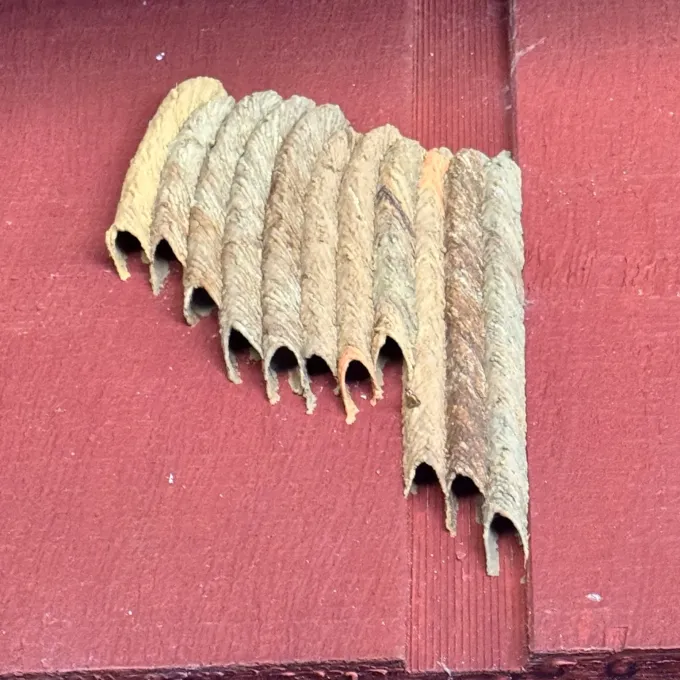
Description
How to identify
Trypoxylon is a genus of solitary wasps belonging to the Crabronidae family, often referred to as organ-pipe mud daubers or potter wasps.
These insects are characterized by their slender bodies and a long, thin abdominal petiole, which gives them a very distinct, elongated appearance.
Adult wasps typically range from 7 to 20 mm in length and are generally black, sometimes with subtle metallic or pale markings.
As solitary wasps, they do not form large colonies. Instead, females seek out existing cavities in wood, hollow plant stems, or crevices to build their nests.
They are specialized predators that provision their nests with spiders, which they paralyze with venom before sealing them inside the nest cells.
What it damages
Trypoxylon wasps are not considered primary agricultural pests because they do not feed on plant tissues or crops.
The damage they cause is primarily structural and mechanical, occurring when they colonize hollow stems of roses, raspberries, or other ornamental plants.
By clearing out pith or creating internal tunnels, they can compromise the integrity of the stem, potentially causing breakage under high winds or heavy loads.
The nest structures themselves can harbor moisture or act as entry points for secondary pathogens like fungi or bacteria, potentially causing local tissue necrosis.
In rare instances, their habit of using small holes can lead to blockages in irrigation systems, drip lines, or other outdoor agricultural equipment.
When it appears
Their activity period typically spans from late spring through to early autumn, depending on the climatic zone and local temperatures.
The peak period for nesting activity, when females are most active in finding suitable sites for egg-laying, occurs throughout June and July.
The life cycle from egg to adult is relatively short, usually spanning a few weeks, which allows for multiple generations in warmer regions.
Towards the end of the season, activity declines as the final generation enters a dormant stage to overwinter as prepupae.
Autumn is an ideal time to inspect the garden for old nests, as they are easily identifiable once the insects have ceased their active work.
Signs of infestation
The most reliable sign of Trypoxylon presence is the distinct mud plug used to seal off nests in hollow stems or wooden cavities.
Visual identification of small, circular holes in deadwood or pithy plant stalks, covered with hardened mud or plant debris, indicates an occupied nest.
Observing adult wasps flying in a direct, searching pattern near fences, irrigation pipes, or piles of wood is a strong indicator of nesting activity.
The presence of spider remains near potential nest holes is another key biological indicator, confirming that the wasp is provisioning the area.
Debris piles consisting of fine sawdust or dried mud particles at the base of plants or near structural holes suggest active nest construction.
Control measures
The most effective management strategy is cultural: the regular removal and destruction of old, dry, or hollow plant stalks during late autumn or winter.
Sealing gaps, cracks, or holes in garden structures and wooden fences with exterior-grade caulk or paint prevents the wasps from establishing nests.
Using mesh screens or protective caps on the ends of exposed pipes or irrigation lines effectively blocks access for nest-seeking females.
Chemical control is generally not recommended or necessary, as these wasps do not typically reach densities that threaten commercial crop production.
Maintaining a well-managed garden by pruning dead plant material and keeping equipment in good repair is usually sufficient to discourage Trypoxylon colonization.
Taxonomy
- Latin name
- Trypoxylon
- Order
- Hymenoptera
- Family
- Crabronidae
- EPPO code
- TRYXSP
Discussion
No discussions yet — be the first.