
Knoblauch's spittlebug
Tomaspis knoblauchi
Description
How to identify
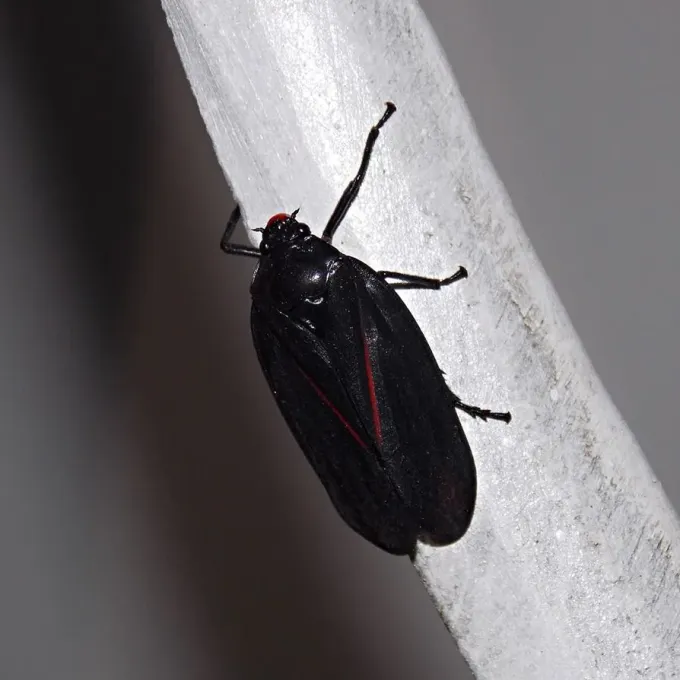
Knoblauch's spittlebug (scientific name: Tomaspis knoblauchi) is a member of the insect order Hemiptera and the family Cercopidae. Adult insects are characterized by a compact body structure, typically ranging from 6 to 9 mm in length.
These insects often display dark coloration with patterns that help them blend into their natural environment, making them difficult to spot during initial field inspections.
A distinctive feature of this species is its nymph stage, during which it creates a frothy, soap-like mass. This foam provides protection against dehydration, extreme weather, and potential predators.
The insect undergoes incomplete metamorphosis, consisting of three stages: egg, nymph, and adult (imago). The nymphs go through several instars while hidden within their protective foam.
Identification of this specific species requires professional entomological assessment, focusing on anatomical characteristics that differentiate it from other related spittlebugs.
What it damages
This pest is a polyphage, capable of feeding on a wide range of host plants, including grasses, cereals, and various ornamental flora found in agricultural settings.
Both adults and nymphs feed by piercing the plant's epidermis with their specialized mouthparts to extract sap. This consistent feeding depletes the plant of vital nutrients and water.
Plants affected by the pest often show stunted growth, distorted stems, and chlorosis. The stress caused by the loss of sap makes the crops significantly weaker.
Injuries to the plant's vascular tissue can lead to secondary infections, as the punctures provide entry points for various bacteria, fungi, and harmful viruses.
In high-density infestations, the damage can lead to a decrease in overall yield and lower market quality for both food crops and decorative plants.
When it appears
The life cycle of Tomaspis knoblauchi is strongly synchronized with the host plants' growing season. The species overwinters primarily in the egg stage.
Eggs are typically deposited in plant tissues or under organic debris, where they remain dormant throughout the colder months until environmental conditions improve.
In early spring, as temperatures rise, the nymphs hatch and begin feeding on early-season vegetation. The population peaks as adults emerge during the mid-summer months.
Reproduction and population dynamics are heavily influenced by environmental factors such as humidity, rainfall levels, and temperature variations throughout the season.
The cycle concludes with egg-laying in autumn, ensuring the survival of the species during winter and setting the stage for the next year's infestation.
Signs of infestation
The most visible sign of infestation is the presence of white, frothy masses, often called "cuckoo spit," on the stems and leaf axils of the host plants.
Other symptoms include yellowing of the leaves, curling of the foliage, and a general lack of vigor in the affected plant compared to healthier specimens.
The accumulation of honeydew-like secretions, which may lead to the growth of sooty mold, is another clear indicator that the plant is being stressed by sap-sucking insects.
Mechanical disturbance of the plant canopy often causes adult spittlebugs to jump away, providing a quick way to confirm their presence in a suspected area.
Stunted plant growth and localized wilting, despite adequate irrigation, may also indicate that these insects are feeding on the plant's sap supply.
Control measures
Cultural control is the most effective starting point; this involves the regular removal of weeds that act as alternative hosts for the spittlebugs.
Proper soil management, such as deep plowing and the destruction of plant residues, can effectively eliminate overwintering eggs and reduce the next generation's population.
Chemical control via systemic insecticides is an option when populations exceed the economic threshold, as these penetrate the plant to reach hidden nymphs.
Biological control methods involve supporting natural predators, such as spiders and predatory bugs, which can play a significant role in keeping populations in check.
Field monitoring using sticky traps and visual checks at the onset of the growing season is essential for early detection and targeted management of the pest.
Taxonomy
- Latin name
- Tomaspis knoblauchi
- Order
- Hemiptera (bugs, aphids, leafhoppers)
- Family
- Cercopidae
- EPPO code
- TOMAKN
Discussion
No discussions yet — be the first.